Burst & Frozen Pipe Cleanup · Lynn

Burst and Frozen Pipe Cleanup in Lynn, MA

When a pipe lets go in your Lynn home, the water spreads fast and quietly. We get a crew moving and start pulling the water out before it soaks into your floors and walls.

Free Quote

Free Burst & Frozen Pipe Cleanup quote.

We reply within 1 business hour. No spam, ever.

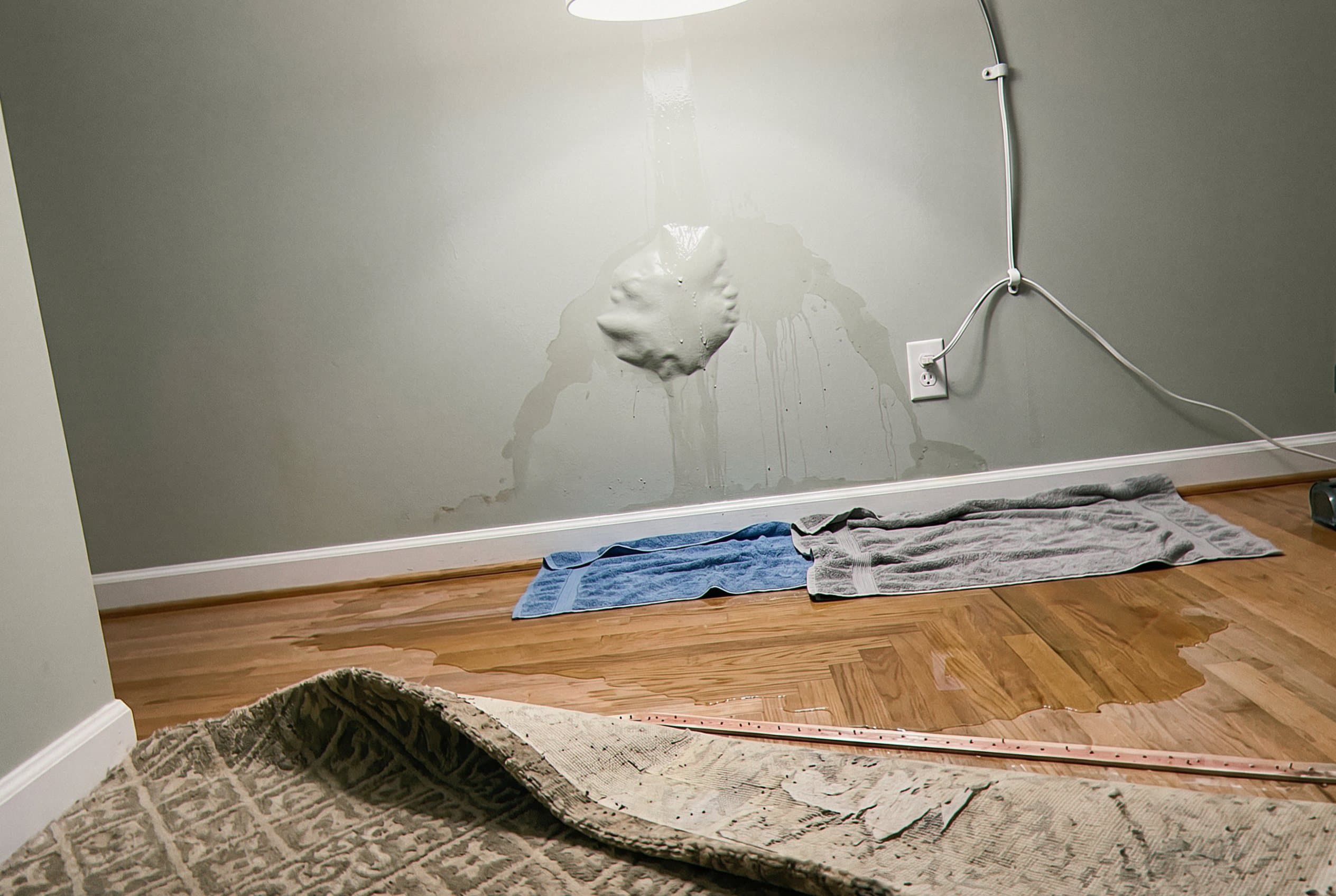
Water damage from burst supply line
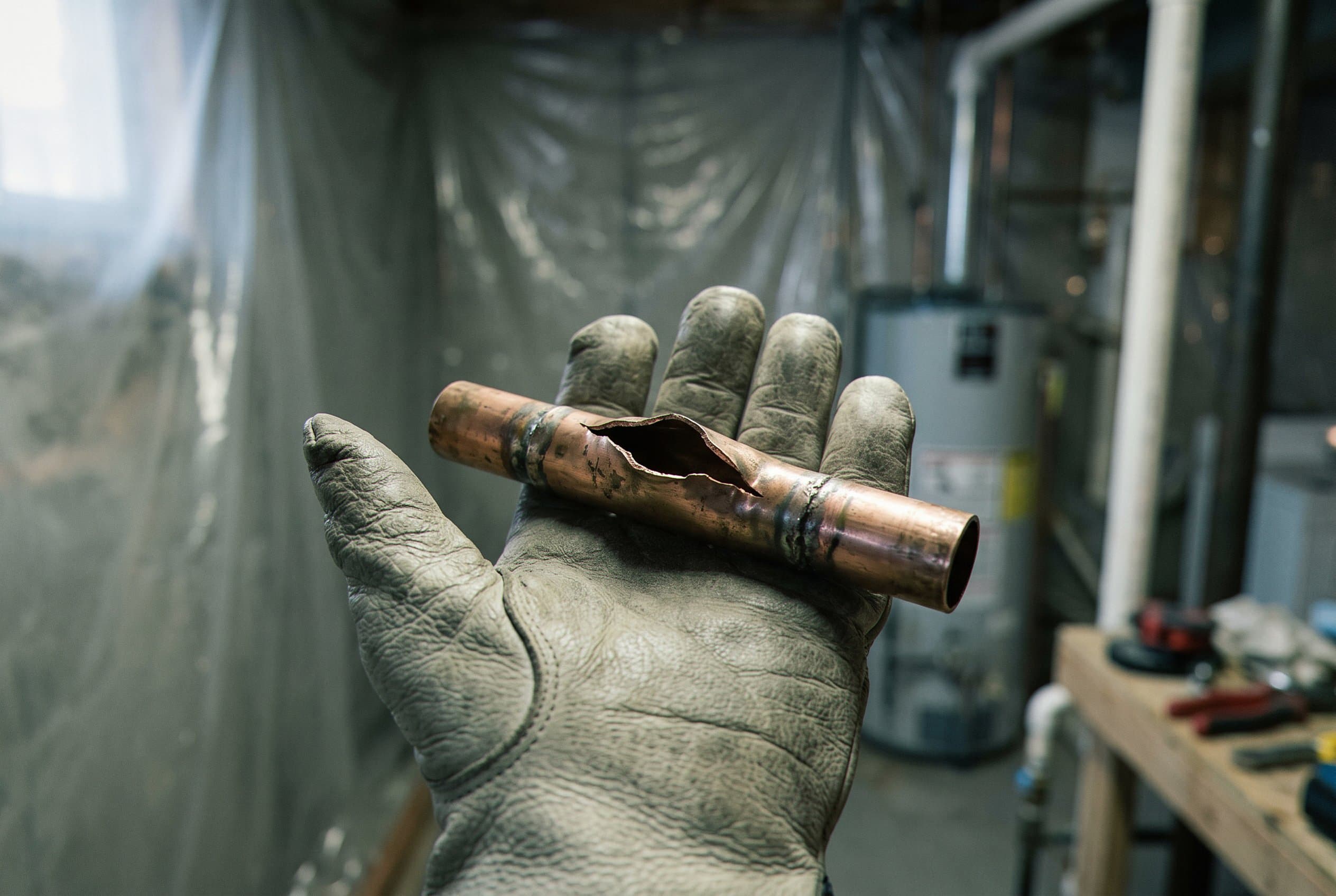
Close-up of pipe break and water damage
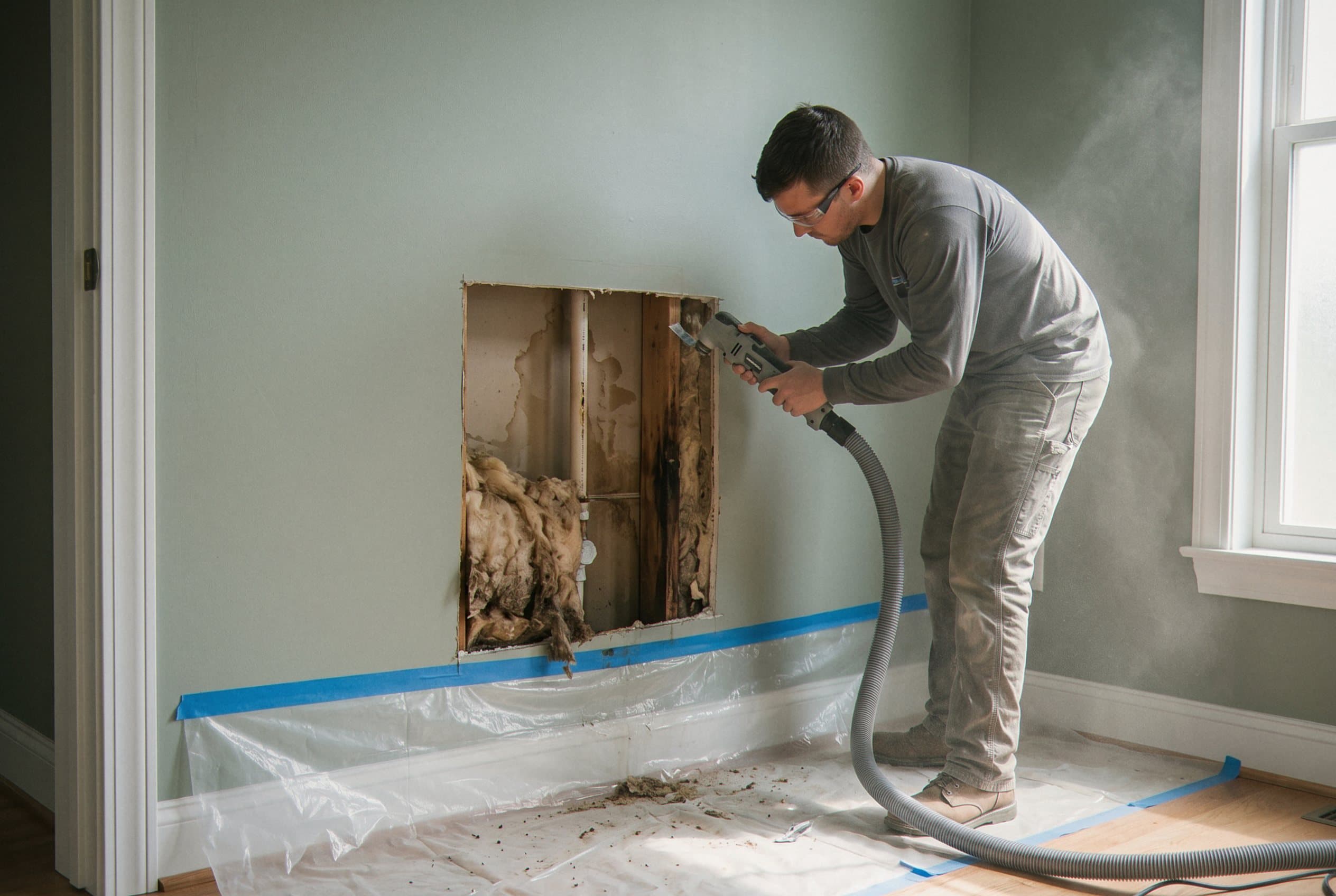
Technician assessing water spread and damage
What we do

What we do when a pipe bursts in your Lynn home

A burst pipe moves a shocking amount of water through a house in a few minutes. Winters here are hard on old plumbing. A cold night with wind coming off Nahant Bay can freeze a supply line in an unheated basement, a crawl space, or a pipe run inside an outside wall. The ice splits the copper open. Often the leak stays quiet until the line thaws. Then the crack widens and the water runs until someone thinks to shut the main. By the time most people in Lynn find it, the floor is soaked and the ceiling in the room below is dripping. The air feels cold and damp. We take that call at any hour. We walk you through finding your main shutoff, and our crew heads toward your home while you are still on the phone.

When we get there we trace the water back to the break and make sure the flow has stopped. Then the water has to come out, and that starts with pumps and extraction wands. We work from the lowest point up, because water always finds the basement first. Soaked carpet comes up and the pad under it goes in the trash, since a wet pad holds water like a sponge and will not dry in place. Baseboards come off wherever water was trapped against the wall. We drill small weep holes low in the drywall so the water hiding behind it can drain out instead of sitting there and rotting the framing. Moisture meters tell us how far the water actually traveled. It is almost always farther than it looks. A pipe that broke in a second floor bathroom can leave a wet subfloor two rooms away.

  • Our line is open at any hour, because a pipe that splits at two in the morning will not wait.
  • We find the broken section fast and confirm the water is off, so the damage stops growing.
  • Pumps and extractors pull the standing water, then air movers and dehumidifiers dry the structure through.
  • Meters and a thermal camera find the wet spots inside walls and under floors that nobody can see.
  • We photograph every room and log the readings, so you have a clear record for your insurance claim.
A pipe break is a clock. The sooner the water leaves, the less of your home it takes with it.

Getting the standing water out is the loud part of the job. The drying is the part that actually saves the house, and it is the step people are tempted to cut short. We set air movers to push a fast sheet of air across wet floors, walls, and framing. Dehumidifiers pull that moisture out of the air and into a tank we keep emptying. Then we come back and read the same spots with meters every day until the numbers match the dry side of your house. Plenty of homes in the Highlands and off Western Avenue went up more than a century ago, with plaster walls and fieldstone basements that hold damp a long time. So we do not rush the numbers. A floor can feel dry to your hand and still be wet underneath. That is exactly how a quick pipe repair turns into cupped boards, peeling paint, and a musty smell in April.

If a pipe just let go, shut your water main if you can reach it, and then call us. We will get a crew to your Lynn home, stop the water from spreading, and start drying on the same visit. You do not have to work out the next step alone.

Materials

The gear we bring and what has to come out

We show up with the equipment the job actually needs, not whatever fits in the back of a car. Submersible pumps move deep water out of a basement. Truck mounted and portable extractors pull the rest out of carpet, tile, and wood floors. Air movers sit low and push a fast sheet of air across every wet surface. Refrigerant dehumidifiers take that water out of the air and send it down a drain. For a wet wall cavity we use a mat system that forces dry air behind the plaster through small holes, so the cavity dries without gutting the room. A thermal camera and a set of meters tell us where all of it should go.

Some materials dry and some never do, and being honest about that saves you grief later. Solid framing, plywood subfloor, plaster, and most wood flooring can usually be dried in place if we reach them early. Carpet pad, wet fiberglass insulation, particle board, and laminate flooring almost never come back. Those get cut out and bagged. Drywall that sat in water wicks it upward, so we cut a clean line above the wet mark instead of leaving it to crumble in a month. Anything the water touched on its way through a dirty cavity gets wiped with an antimicrobial before the drying starts. We tell you which pile a material is in before we touch it.

  • Standing water comes first, always. Nothing dries while there is still an inch of water sitting on the floor.
  • Carpet pad is a sponge. It gets pulled and bagged even when the carpet on top of it can be saved.
  • Wet insulation inside a wall or ceiling stays wet. We open the cavity, take it out, and dry the bare framing.
  • Meters drive the schedule. The equipment stays until those readings match a dry part of the same house.
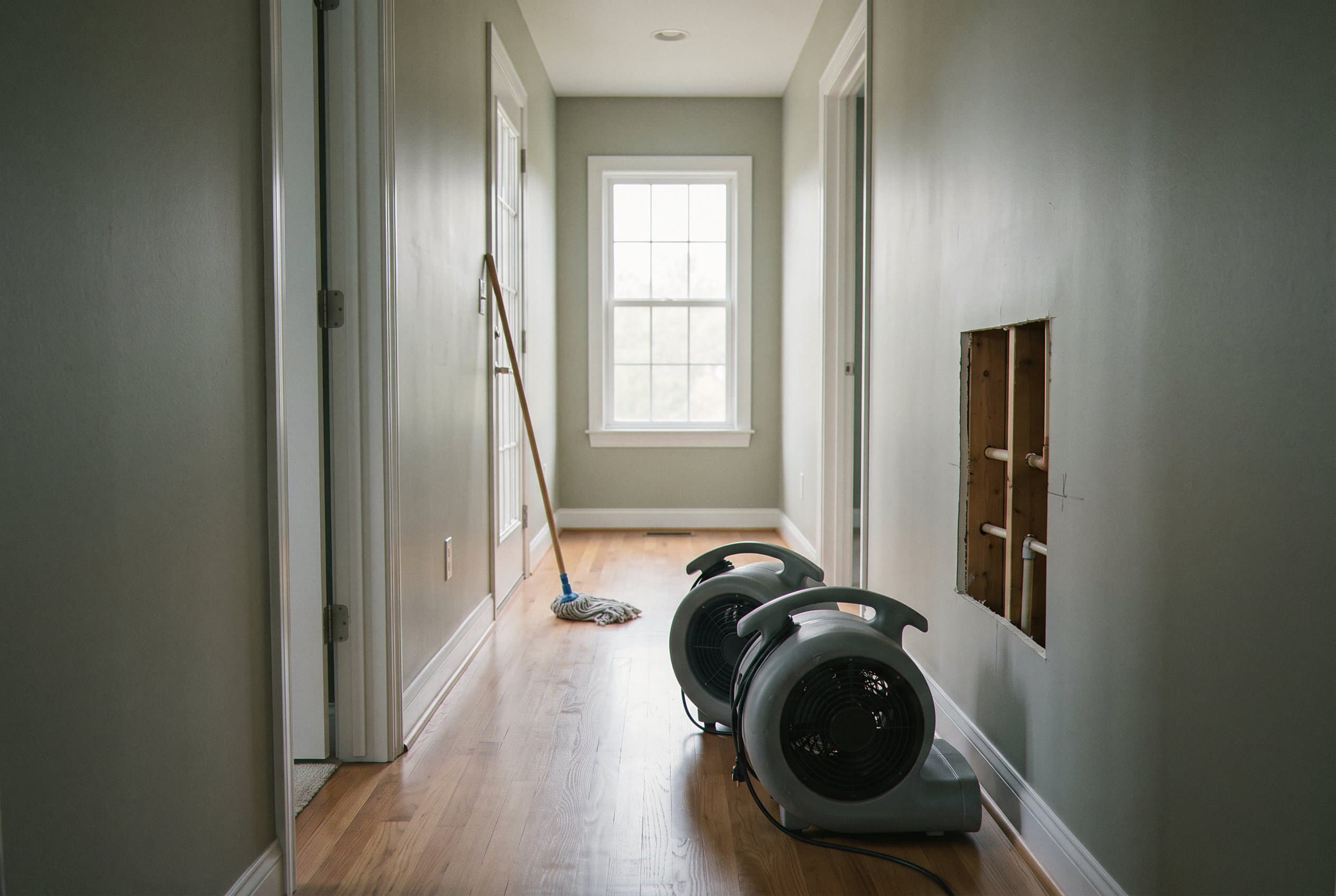
Drying equipment positioned after extraction
Restored hardwood floor after professional drying
What about the alternatives?

Ways people handle a burst pipe in Lynn

When a line splits you have a few options in front of you. Here is how each one tends to play out in a real house on a cold night.

Full extraction and drying by our crew

We pull the water out, open only what has to be opened, and run drying gear until the meters read dry across the whole wet area. Nothing gets guessed at. It is the path that keeps the most of your floors and walls.

Recommended

Plumber for the pipe, then us for the water

Sensible. Just call us at the same time, because a plumber stops the leak and then leaves the water already sitting in your subfloor and walls.

Acceptable

Rented fans and a dehumidifier from a tool yard

Better than nothing after a small spill. Rental gear moves far less air than commercial drying equipment, and it leaves you with no meter readings, so you never really know when the job is finished.

Acceptable

Mopping up a small leak yourself

Sometimes that is enough. If a fitting dripped into a pan and nothing soaked through the floor, a mop and a fan may do it. Check the ceiling below and the wall behind before you call it done.

Acceptable

Box fans and open windows in January

Skip it. Cold outside air carries almost no moisture away, the open window fights your heat the whole time, and a wet subfloor under all that can stay wet for weeks.

Skip

Waiting to see if it dries on its own

Trapped water does not evaporate on any useful schedule. Mold gets going in a day or two, and the repair keeps getting bigger the whole time you wait for the house to fix itself.

Skip
How it goes

From quote to walk-on, fast.

01

Inspect and assess

02

Extract the water

03

Dry and dehumidify

04

Clean and restore

Before you book

Straight answers before you call us

These are the questions we hear most from Lynn homeowners standing in a wet hallway at midnight.

Should I call a plumber before I call you?
Call whoever you can reach first. A plumber fixes the pipe, and we handle the water and the drying. Those are two different jobs, and they often happen on the same day. If you cannot reach anyone, get to your main shutoff and turn the water off. That one move stops the damage from growing while help is on the way.
The water is gone already. Do I still need drying?
Usually yes. The water you can see is a small part of what came out of the pipe. The rest went under the flooring, into the wall cavity, and along the framing where a towel will never reach. Our meters tell us in a few minutes whether it is truly dry. If the readings come back clean, we say so and we leave.
Are you going to tear out my walls and floors?
We take out only what will not dry, and we can usually tell you which is which on the first visit. Most of the time that means carpet pad, wet insulation, and a strip of drywall near the floor. Solid framing, subfloor, and old plaster often dry in place when we get moving early. We show you the meter reading behind every call we make.
How long does the equipment have to run?
Most jobs run about three days. Some go longer if the water sat for a while before we got there, or if the room is cold and closed off from the rest of the house. The fans are loud and we know it. We read the meters daily and pull each piece as soon as that area is dry, rather than leaving the whole set running out of habit.
Can we stay in the house while it dries?
Most people do. The equipment is noisy and it pushes warm air around, so the rooms get dry and toasty. If the water came from a clean supply line, there is no health reason to move out. If sewage got into it, or the power to a whole floor has to stay off, we will tell you plainly and help you plan around it.
Will insurance cover a frozen pipe?
That is between you and your carrier, and every policy reads differently. What we can do is hand them what they ask for. We photograph the damage room by room, log our moisture readings, list every material we removed, and write the work up in plain language. Documentation is the part homeowners usually miss, and it is the part that moves a claim along.
Aftercare

Keeping a pipe from splitting next winter

Once the drying is done and the repairs are in, the goal is never doing this again. Most frozen pipe calls we take on the North Shore come from the same handful of spots. A supply line in an unheated crawl space. A pipe run through an outside wall on the north side. An old back hall or porch that nobody ever insulated. A garden hose left screwed onto the spigot through a cold snap. None of that is hard to deal with in October, and every bit of it is miserable to deal with at two in the morning in January. Here is what we tell people in Lynn to check before the first hard freeze rolls in off the water.

  • Find your main water shutoff now, and make sure the valve still turns. In an emergency nobody wants to be hunting for it with a flashlight.
  • Pull the garden hoses off the outside spigots in the fall. Then shut the inside valve that feeds them.
  • Wrap foam sleeves on any pipe running through a crawl space, an unheated back hall, or a cold garage.
  • On the coldest nights, open the cabinet doors under the kitchen and bathroom sinks so warm room air can reach the pipes behind them.
  • Heat every room. Even the ones nobody uses, and never let the thermostat drop into the forties.
  • Seal the drafts where the foundation meets the framing. Wind off the water finds those gaps first.
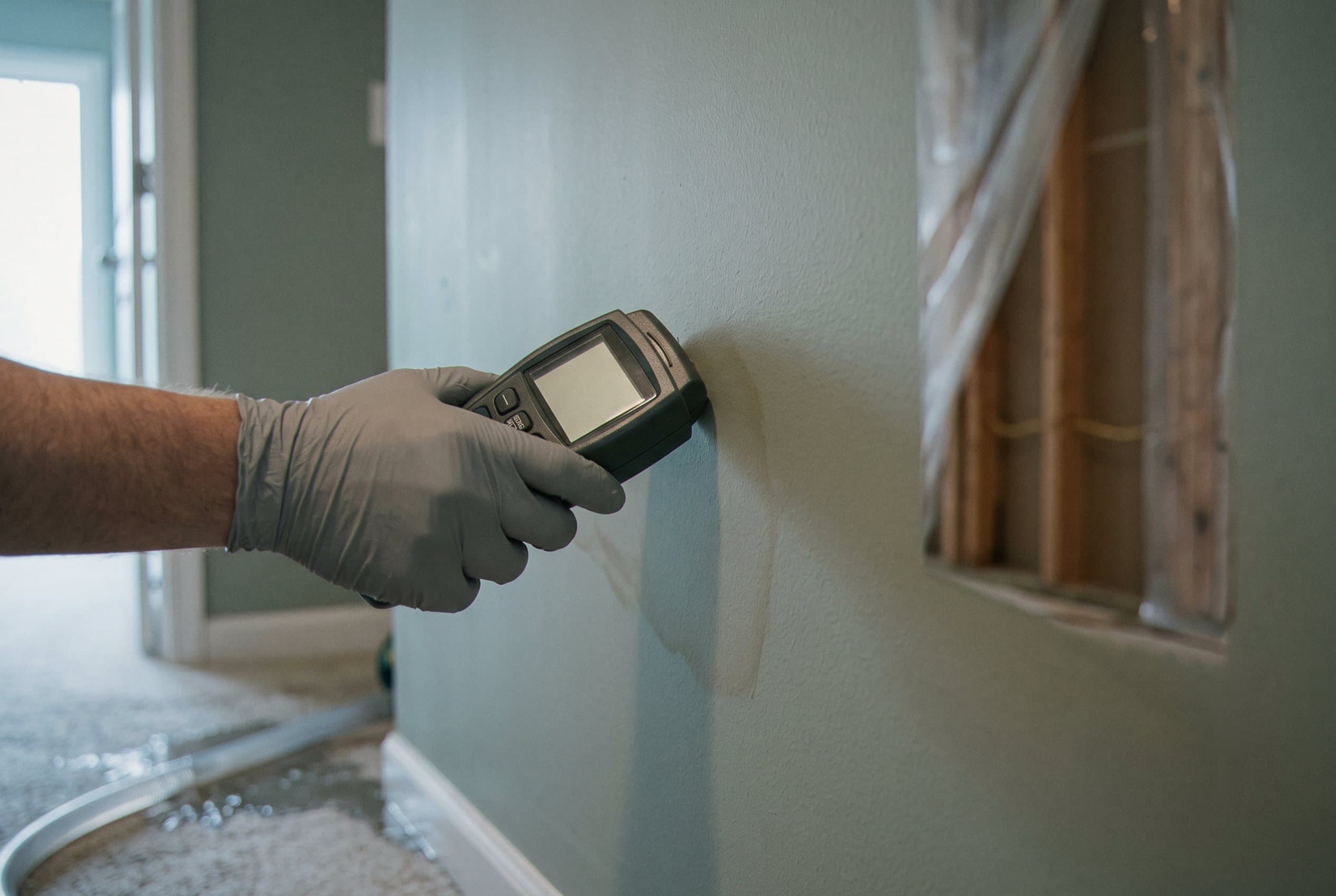
Technician checking moisture levels with meter
FAQ

Burst and frozen pipe questions from Lynn homeowners

How fast can you get to my Lynn home?
Our line is open around the clock, including through a storm when everyone calls at once. Rather than promise a minute count that a nor'easter would make meaningless, we tell you where the crew is coming from and when they are rolling, and we walk you through shutting things down while you wait.
What should I do before you get here?
Find the main shutoff and close it if you can do that without standing in water. Keep away from the panel and from anything plugged in low to the floor. Photograph the rooms before you move anything, then start lifting what you can off the wet floor, because furniture legs stain carpet and pad within hours.
Will you deal with my insurance company?
We write the file the way an adjuster reads it. Daily moisture logs, photographs of each affected room, and a scope that says what was removed and why. We speak with your adjuster directly. Coverage itself is your carrier's call, and we will never tell you a claim is covered when we do not know that.
How long will the equipment be running?
Three to five days covers most of what we see. Old plaster, and the fieldstone foundations under a lot of Lynn's older houses, hold moisture longer than modern framing does, so those can run a day or two past that. We read the material every day against the IICRC dry standard, and the readings decide when we pull out.
Am I going to end up with mold?
Wet material left alone starts growing in roughly 24 to 48 hours. That window is the entire reason we care about getting there the same day rather than the next morning. Dried properly and quickly, most losses never develop it at all.
Ready when you are

Water in your Lynn home?

Call now or send the form. We answer fast and tell you exactly what happens next.

Get a free quoteCall (339) 500-6770
CallFree Quote