Sewage Cleanup · Lynn

Sewage Cleanup in Lynn, MA

A sewage backup is more than a mess to wipe up. It is a health hazard. It fills your home with bacteria and foul air. We pick up the phone, reach your Lynn property fast, and handle every step the right way. You do not have to deal with it alone.

Free Quote

Free Sewage Cleanup quote.

We reply within 1 business hour. No spam, ever.

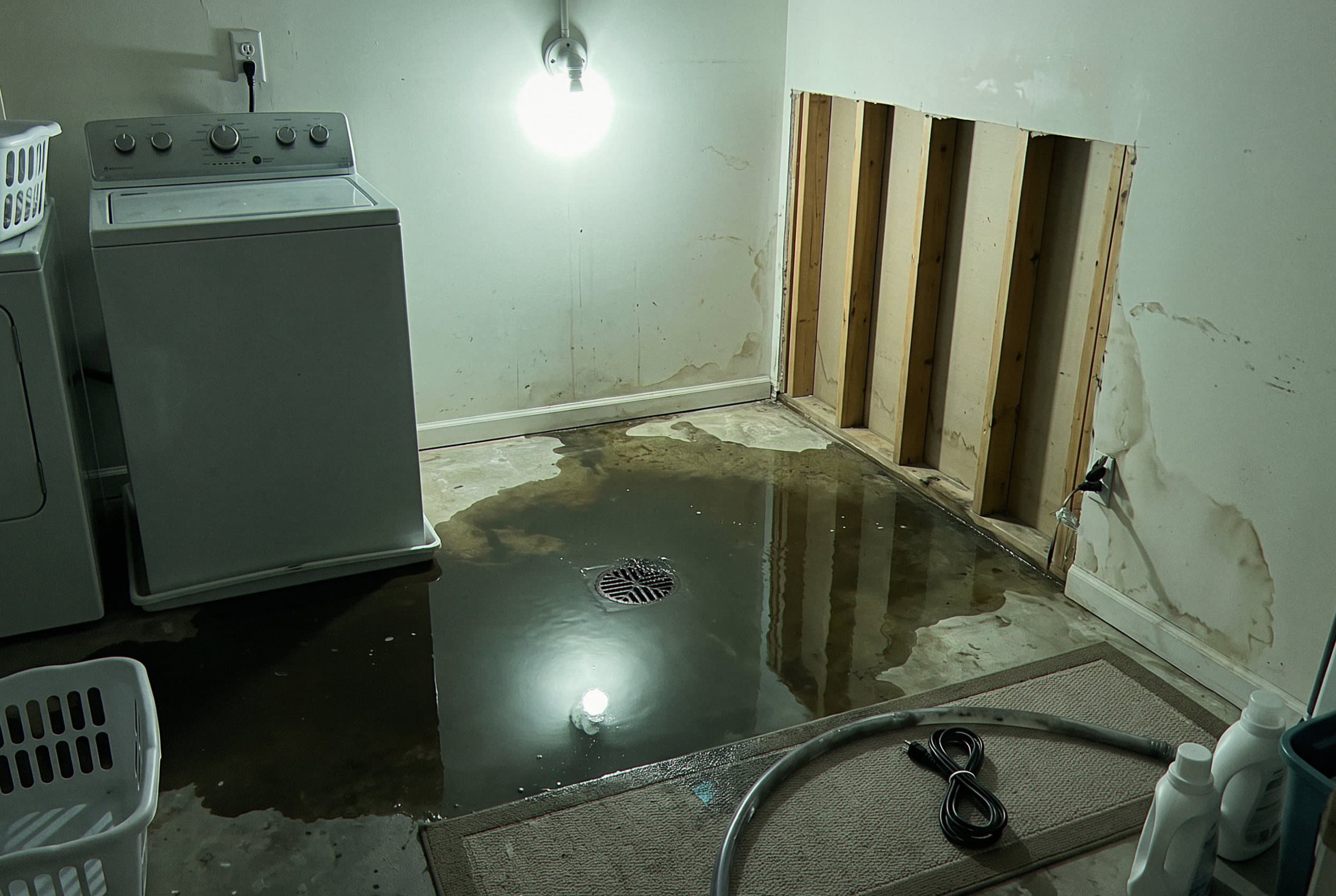
Bathroom affected by sewage backup
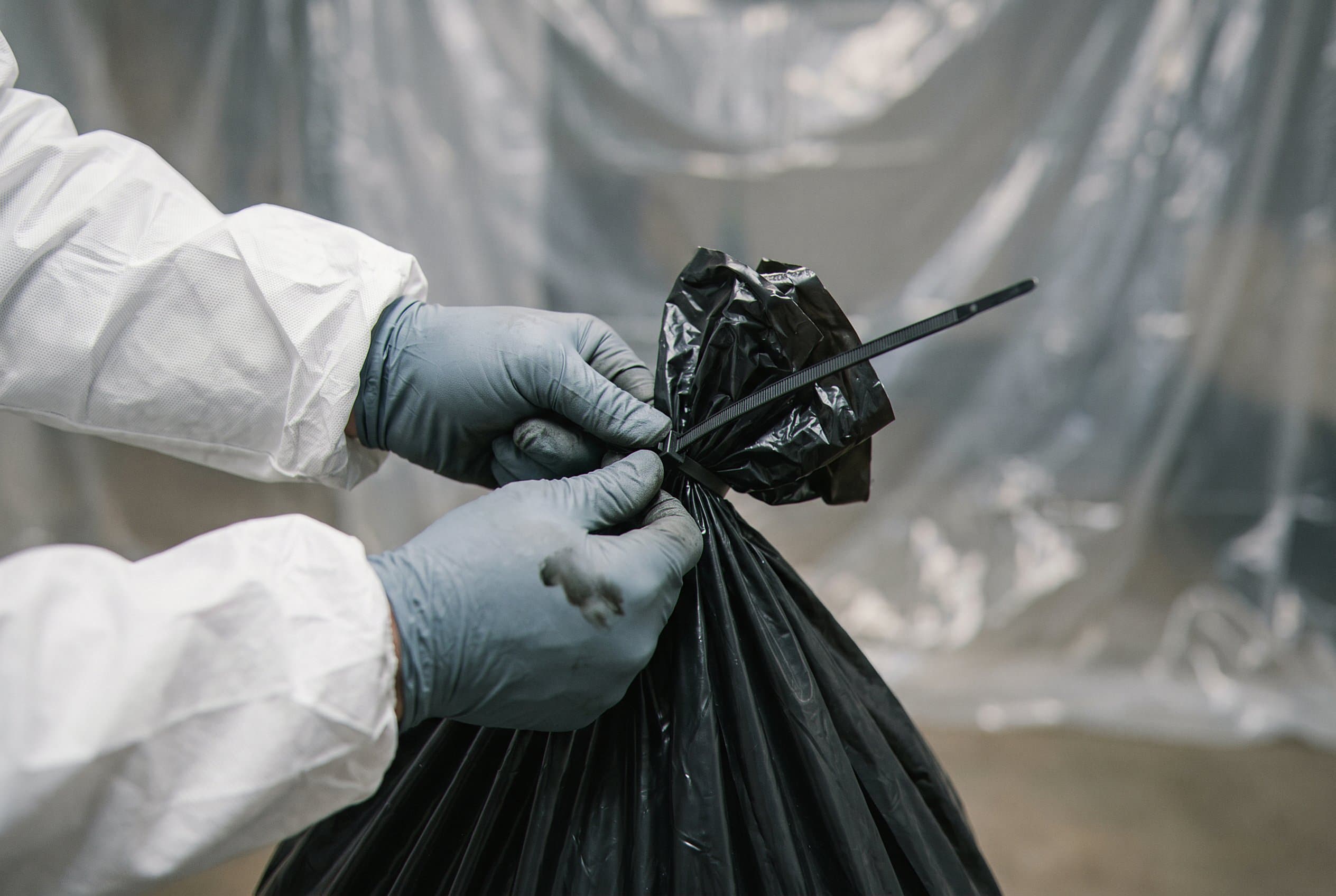
Close-up of contamination area
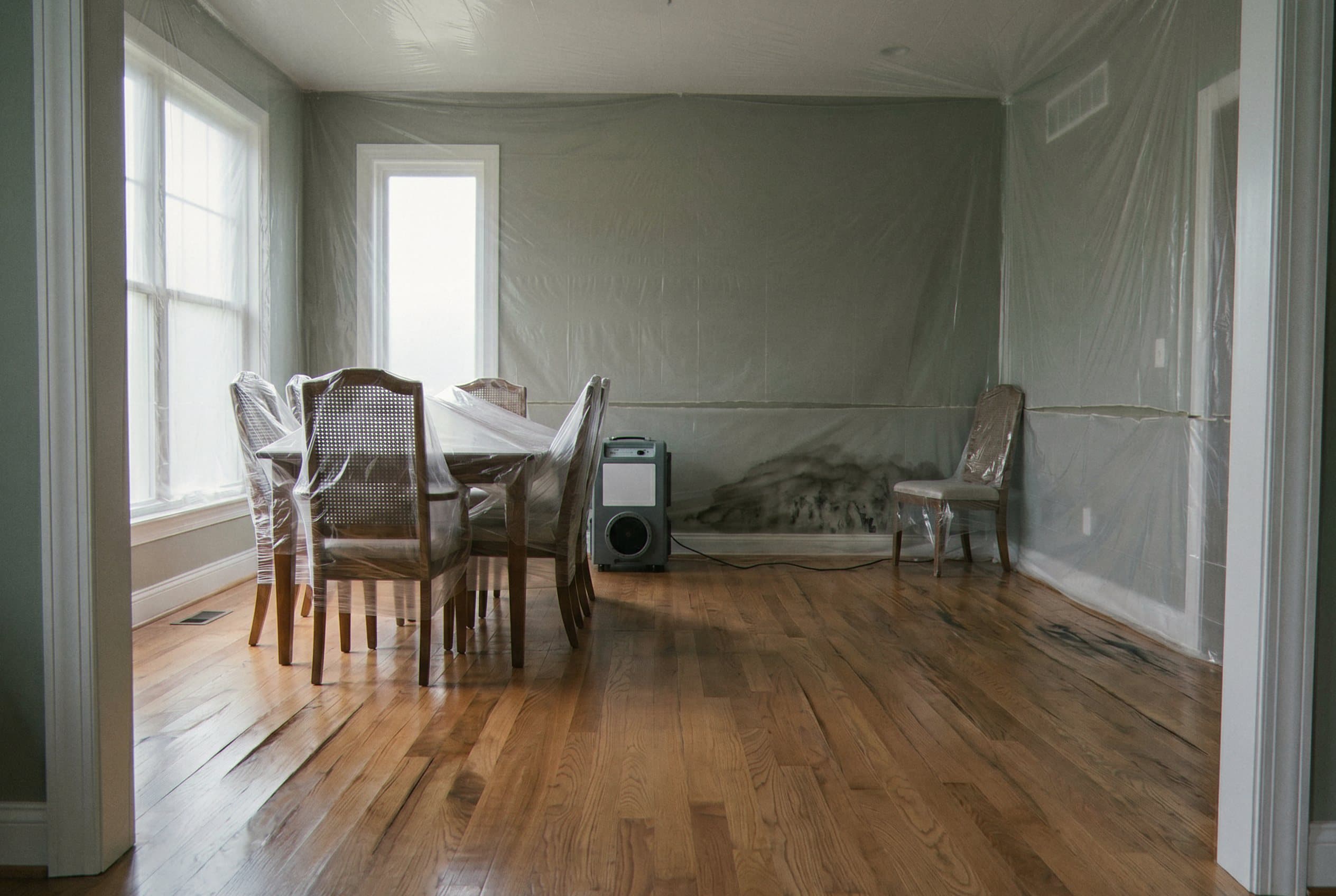
Hardwood floor damage from water exposure
What we do

How we handle a sewage backup

When a toilet overflows or a drain pushes waste back into your home, the water is not clean. The standards we follow call it category three water, the worst kind there is. It is dangerous. The water carries bacteria, viruses, and other things that can make you and your family sick fast. So we treat it that way from the minute we walk in your door. Our crew shows up in protective gear. We find the source. Then we shut it off so no more waste comes in, and we seal the rooms that got hit with plastic and tape to stop the spread. We move fast. The longer raw sewage sits, the worse it gets for your home and your health. When it is not safe, we cut the power to the wet areas before we begin.

Next we pump out the waste and the standing water with truck mounted gear built for this exact job. Then we pull out anything too soaked to save. Carpet, padding, and drywall that touched sewage usually have to go, so we bag all of it on site and nothing gets tracked through your home. We scrub every hard surface the water reached. That means the subfloor, the framing, and the lower walls, all cleaned with products made to kill what sewage leaves behind. We also treat the vents if the water got near them, since they can carry odor through the house. Then we dry. We set air movers and dehumidifiers around the space and pull the moisture down to the studs. Moisture left behind is what feeds mold in the weeks that follow, so we keep going until the meters read dry.

  • Our line is open day or night. A sewage backup in Lynn will not wait until morning, and neither do we.
  • Our crew wears full protective gear and follows the IICRC rules written for cleaning contaminated water the safe way.
  • We pull out the waste, disinfect each surface, and haul off the ruined items, often in a single visit.
  • Air movers and dryers pull the moisture out down to the studs, so mold does not take hold weeks later.
  • We log the damage with clear photos and written notes, which gives you a record to file with your insurer.
Sewage is not a job for a mop and a bucket. It has to be removed, disinfected, and dried by people who do this work.

Lynn has many older homes with aging sewer lines. A hard coastal storm off Massachusetts Bay can flood the city system, and when that happens, water gets forced back up through the lowest drains in the house. We see it most often in finished rooms on the bottom level, where the low fixtures sit and gravity works against you. Heavy rain across Essex County can do the same thing in one afternoon. A single clog deep in the line can also send it all back inside. The cause changes, but the danger does not. Raw sewage has to be removed, disinfected, and dried by a trained crew with the right tools. If it soaked into a slab or a crawl space, we treat that too, not just the parts you can see. A mop and a wet vac will not cut it.

If a backup hit your Lynn home or business, call us now and tell us what you are dealing with. We will walk you through what to do until our crew gets there. Then we handle the cleanup from start to finish. Your place will be safe to live in again.

Materials

What a sewage cleanup actually takes

Sewage cleanup runs on gear you will not find in a hardware store aisle. We bring a truck mounted pump that can lift solids, not just water, so the waste leaves your home in one pass instead of getting pushed around the floor. We bring air scrubbers with sealed filters that clean the room while we work, which keeps the odor and the airborne bacteria out of the rooms you still live in. We bring disinfectants rated for category three water, the class the standards reserve for waste. And we bring plastic sheeting, tape, and zipper doors, because containment is what stops a small problem from becoming a whole house problem.

The part people underestimate is how much has to leave the building. Porous material that soaked up sewage cannot be washed clean, no matter what you spray on it. Carpet, pad, particle board, wet insulation, and the lower band of drywall all come out, and they go into sealed bags before they ever cross a dry room. What stays gets cleaned in stages. First we remove the soil, because a disinfectant sprayed onto grime does very little. Then we apply the product and let it sit the full dwell time printed on the label. Then we dry, and we keep drying until the meters agree with us. The IICRC standard treats sewage as its own class of work, and that is how we run the job.

  • Truck mounted pumps built to move solids, not just water
  • Air scrubbers that clean the room while our crew works
  • Disinfectants rated for category three contaminated water
  • Moisture meters that tell us when the framing is truly dry
What about the alternatives?

Ways people handle a backup, and what we reach for

Most people try something before they call, and we understand why. Some of it buys you time. Some of it puts you in a room you should not be standing in at all. Here is a straight read on the options we hear about most from Lynn homeowners.

A full sewage cleanup crew

We seal off the room, pump the waste out, strip what cannot be saved, disinfect every surface the water reached, and dry the structure. For category three water this is the only route that finishes the job.

Recommended

A plumber to clear the line

Worth calling, and often the right first call. Opening the blockage stops more waste from coming in. It does not clean, treat, or dry the part of your home the sewage already reached.

Acceptable

A rented drain snake or auger

It can open a simple clog near one fixture. On a main line backup it usually stalls, and it does nothing at all about the contaminated water sitting on your floor.

Acceptable

Bagging and hauling the ruined items yourself

Understandable, and it does move the job along. Just know that handling material soaked in waste without the proper gear puts your skin and lungs against the same bacteria our crew suits up for.

Acceptable

Mop, bucket, and household bleach

This is the one that worries us most. A mop carries the contamination from room to room, and bleach poured over a dirty surface mostly just makes the room smell like bleach.

Skip

Open the windows and let it dry out

Waste dries, but the bacteria stay put and the odor sets into the framing. Wet material behind the baseboard starts growing mold within a couple of days, and then you have two problems.

Skip
How it goes

From quote to walk-on, fast.

01

Inspect and assess

02

Extract the water

03

Dry and dehumidify

04

Clean and restore

Before you book

Straight answers before we start

A backup is a lot to take in, and the questions we get on the phone are almost always the same handful. Here is how we answer each one.

Can I just clean this up myself?
We would rather you did not. Sewage carries bacteria and viruses that reach you through your skin, your eyes, and the air in the room. If you have already started, stop, shut the door, and let our crew take it from there. We show up with the gear built for exactly this.
Does everything the water touched have to be thrown out?
No, but the porous things usually do. Carpet, pad, wet insulation, and the bottom of the drywall come out. Tile, concrete, framing, sealed wood, and most hard surfaces clean up well once we lift the soil off and treat them. We tell you which is which as we work, not after.
How long does a sewage cleanup take?
It depends on how far the water traveled and what it soaked into. The removal and cleaning side is often a single visit. Drying runs a few days past that, because we leave equipment in place and come back to read the moisture until the numbers hold steady.
Will the smell come back later?
Not if the source is handled right. Odor returns when somebody wipes the surface and leaves wet contaminated material behind a wall or under a floor. We open what needs opening, treat it, and dry it, and that is what actually ends the smell for good.
Is my basement safe to use afterward?
That is the whole point of the work. We do not call a sewage job done until the ruined material is gone, every surface is cleaned and treated, and the meters read dry at the framing. Then the space goes back to being a space you can use.
What should I do until your crew gets there?
Keep people and pets out of the room and close the door behind you. Do not run water or flush anything, because that sends more waste down the same path. If the water is near outlets or the panel, leave the power alone and tell us when you call. We will take it from there.
Aftercare

Keeping sewage out of a Lynn home

Once your place is clean and dry, the goal is never doing this again. Lynn has a lot of housing built long before the sewer system that serves it now, and older clay and cast iron laterals crack, sag, and fill with tree roots over the years, which narrows the pipe a little more every season until one heavy day closes it off entirely. Coastal rain across Essex County pushes the city mains hard, and all that water has to go somewhere. Prevention is cheap next to cleanup. A few habits and one or two small parts take most of that risk off the table.

  • Put a backwater valve on the main line so the city system cannot push waste back inside
  • Have the sewer lateral camera checked every few years for roots, cracks, and sags before they close the line off
  • Keep wipes and grease out of every drain in the house
  • Raise the washer standpipe and the utility sink above the lowest fixture in the house where you can
  • Watch for slow drains and gurgling toilets
  • Call us the moment waste comes back up, not after it spreads across the floor
Bathroom affected by sewage backup
FAQ

Sewage cleanup questions, answered

How fast can you get to my Lynn home?
Our line is open around the clock, including through a storm when everyone calls at once. Rather than promise a minute count that a nor'easter would make meaningless, we tell you where the crew is coming from and when they are rolling, and we walk you through shutting things down while you wait.
What should I do before you get here?
Find the main shutoff and close it if you can do that without standing in water. Keep away from the panel and from anything plugged in low to the floor. Photograph the rooms before you move anything, then start lifting what you can off the wet floor, because furniture legs stain carpet and pad within hours.
Will you deal with my insurance company?
We write the file the way an adjuster reads it. Daily moisture logs, photographs of each affected room, and a scope that says what was removed and why. We speak with your adjuster directly. Coverage itself is your carrier's call, and we will never tell you a claim is covered when we do not know that.
How long will the equipment be running?
Three to five days covers most of what we see. Old plaster, and the fieldstone foundations under a lot of Lynn's older houses, hold moisture longer than modern framing does, so those can run a day or two past that. We read the material every day against the IICRC dry standard, and the readings decide when we pull out.
Am I going to end up with mold?
Wet material left alone starts growing in roughly 24 to 48 hours. That window is the entire reason we care about getting there the same day rather than the next morning. Dried properly and quickly, most losses never develop it at all.
Ready when you are

Water in your Lynn home?

Call now or send the form. We answer fast and tell you exactly what happens next.

Get a free quoteCall (339) 500-6770
CallFree Quote