
Mold Remediation · Lynn

Mold Remediation in Lynn, MA

When mold takes hold in your Lynn home, we find it, contain it, and remove it. We do the work ourselves, start to finish.

Free Quote

Free Mold Remediation quote.

We reply within 1 business hour. No spam, ever.

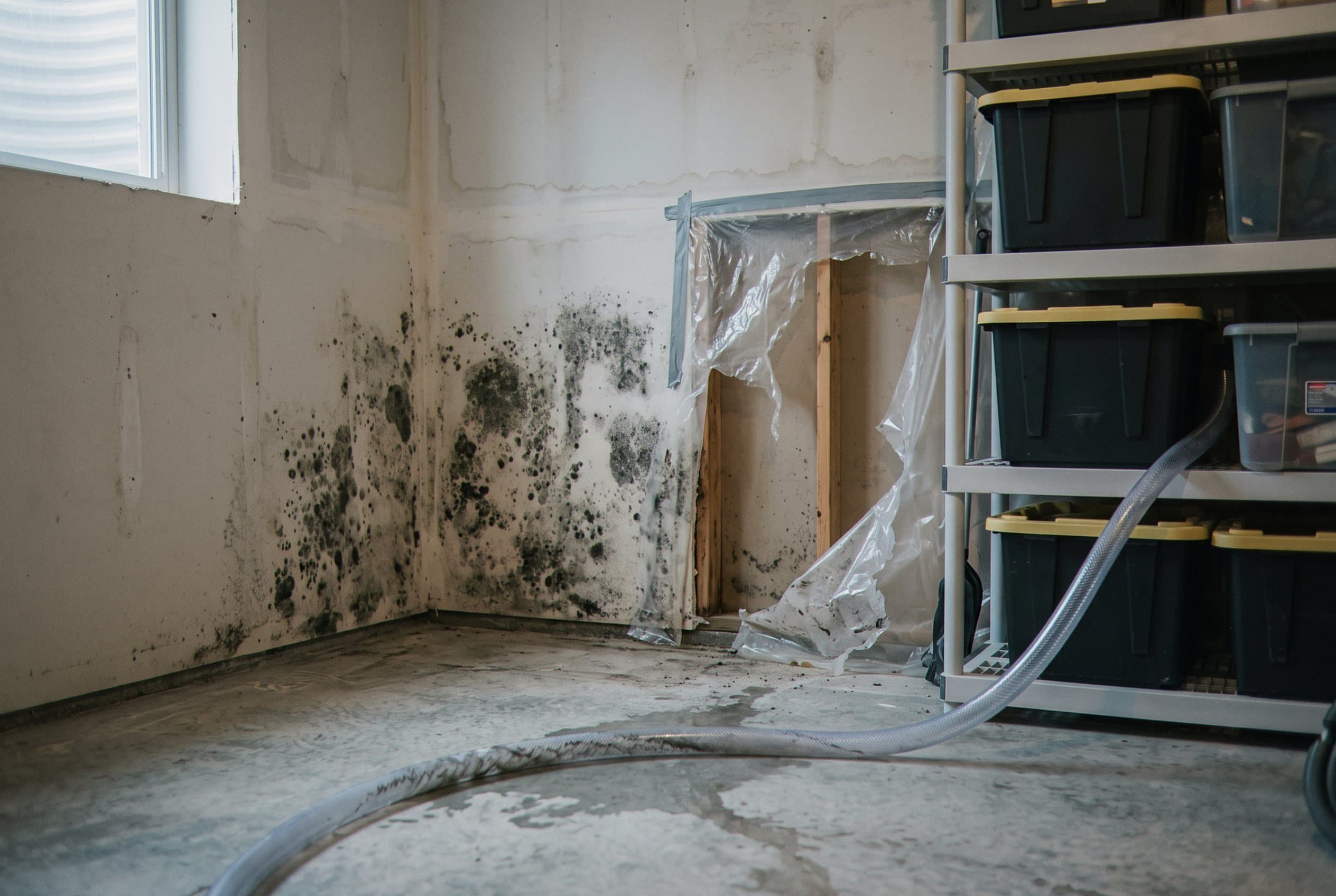
Visible mold growth on basement wall
Close-up of mold infestation on surface
HEPA filter unit running during remediation
What we do

How we handle mold in Lynn homes

Mold rarely shows up out of nowhere. In Lynn it tends to start after a leak, a damp cellar, or a long humid stretch of summer. A slow drip behind a wall or under a sink is all the spores need. Soon you smell it. You catch a musty whiff, see a dark patch on the drywall, or watch paint bubble near the floor. Sometimes it hides under the carpet or behind a baseboard, well out of sight, and grows for weeks before anyone notices. We see this in older homes all over the city, from the blocks near Central Square to the streets closer to Lynn Shore Drive where the ocean air stays damp. Coastal air keeps things wet, and wet is what mold loves. Call us and we come out. We check the moisture in the walls and floor, look for the leak that started it, and tell you straight what we find and what it takes to fix it.

Once we know how far the mold has spread, we set up to keep it contained. We seal the room with sheeting, run negative air through HEPA filters, and protect the clean rooms while we work so nothing drifts where it should not go. We follow the methods the IICRC and EPA lay out for mold, because guesswork is how a small patch turns into a torn open floor that costs you far more in the end. We take out the drywall, insulation, and trim that cannot be saved. Then we scrub what can stay. After that we dry the space all the way down, fix the leak or damp spot that fed the growth, and make sure the moisture is gone for good. Before we leave, we check the area with a meter. The job is done when the numbers say so.

  • We find the water source first. Fix only the surface and the mold comes right back, so we track it down to where it starts.
  • We seal and contain the work area. That keeps loose spores out of your bedrooms, closets, and the rest of the house while we work.
  • We run HEPA filtration and follow the IICRC and EPA methods for mold, every job, start to finish.
  • We dry the space fully and check it with a meter. Mold cannot come back without water to feed it.
  • We do the work ourselves. Our crew reaches most homes across Lynn and the nearby towns the same day you call.
We do not just paint over mold and hope. We find the water that feeds it, remove what it touched, and dry the space so it stays gone.

Mold is more than an eyesore. Damp, moldy air makes a home hard to live in, and it slowly eats away at the wood, drywall, and insulation behind your walls the longer it sits there untouched. The faster we get in, the less we have to tear out. That saves you money and stress. We treat your home the way we treat our own, and we clean up after ourselves, so when we leave you are not staring at a bigger mess than the one you first called about. A spot on the ceiling can hide a real problem in the wall behind it. Stains near the washer are worth a look too. Smell something musty in the cellar? See a patch you cannot explain? Reach out today and let our crew take a careful look before it spreads further.

If you think you have mold in your Lynn home, call us today. We will come out, look closely, and give you a clear plan to make it right.

Materials

The gear we bring on a Lynn mold job

Mold work is only as good as the setup. Before anyone touches a wall, we build a contained work zone. That means plastic sheeting taped floor to ceiling, a zipper door at the entry, and a negative air machine pulling through a HEPA filter, so the air inside the zone never drifts into your hallway. We tape off the vents and returns too. A running furnace will carry spores through a whole house in minutes. Inside the zone we work with HEPA vacuums and hand tools, and nothing leaves the room unbagged. It can look like a lot of plastic for one damp closet, and that is the point. The mess stays where we made it.

For the removal itself, we cut back porous material past the visible edge of the growth, because what you see on the paper face of the drywall is rarely the whole colony. Wood framing and hard surfaces usually stay. We scrub them, vacuum them with a HEPA unit, wipe them down, and then treat them with an antimicrobial the EPA registers for this kind of work. After that come the dehumidifiers and the air movers. We run them until the framing and the subfloor read dry on a meter, not until the calendar says so. A pin meter tells us about the wood. A thermal camera helps us spot the cold wet patches we would otherwise miss behind old plaster. The readings decide when the plastic comes down.

  • Containment on every job: sheeting, a zipper door, and negative air pulled through a HEPA filter.
  • HEPA filtration on the air scrubbers and on every vacuum we run inside the work zone.
  • Antimicrobial products the EPA registers, applied after the removal and never instead of it.
  • Moisture meters and a thermal camera decide when the drying is finished, not the clock.
New drywall ceiling after mold removal
Homeowners satisfied after restoration completion
What about the alternatives?

Ways people deal with mold, and what we would tell you

There is more than one way to deal with mold, and not every shortcut is wrong. Some are fine for a small spot on a tile wall. Others just hide the problem until it comes back bigger and wetter than before. Here is how we sort the options people in Lynn ask us about most.

Full removal with containment and drying

We seal the room, take out what the mold has eaten into, clean what stays, and dry the structure down to a meter reading. It is the approach the IICRC and EPA methods describe, and it is what we do on any growth past a small patch.

Recommended

Cleaning a small patch yourself

EPA guidance says a homeowner can take on about ten square feet or less on a hard surface. Think tile, glass, or painted trim. Wear a mask, keep the spot wet so no dust flies, and stop the moment you see it running behind the wall.

Acceptable

Independent testing before and after

Air or surface sampling by a separate company gives you a number on paper. It earns its keep when someone in the house has been sick, when a sale is pending, or when you want proof the work landed. It does not replace the removal.

Acceptable

Fixing the humidity source

A bath fan that works, a dryer vent that reaches outside, and a dehumidifier in the cellar. Those three fix a lot of the small repeat growth we see in older Lynn houses. They will not clean what already grew. Nothing we do holds without them.

Acceptable

Painting or sealing over the stain

Stain blocking primer covers the color and does nothing to the colony under it. The mold keeps feeding on the paper and the dust, and in a few months that same dark shadow bleeds right back through your fresh paint.

Skip

Bleach, fogging, or ozone as the whole fix

Bleach sits on the surface of wood and drywall and leaves water behind when it dries. Foggers and ozone machines knock the odor down for a while and leave the growth in place. None of them remove the material the mold is living inside.

Skip
How it goes

From quote to walk-on, fast.

01

Inspect and assess

02

Extract the water

03

Dry and dehumidify

04

Clean and restore

Before you book

Straight answers to what people ask us about mold

We hear the same handful of questions on almost every mold call in Lynn. Here is what we tell people, minus the sales pitch.

Can I just clean it myself?
Sometimes, yes. If it is a small patch on tile, glass, or painted trim, and you already know where the water came from, a scrub and a fix of the leak may be all it takes. Call us when it spreads past a couple of square feet, when it sits on drywall or insulation, or when the musty smell is stronger than anything you can see. That gap between the smell and the sight almost always means the rest of it is behind something.
Do I need a test before you start?
Not always. If you can see the growth and we can find the water, a test mostly confirms what is already in front of us. Your money does more good in the removal. Testing does earn its keep in two spots. One is when someone in the house has been sick and you want to know what you are breathing. The other is when you want a clean number on paper after the work is done. We are glad to work alongside an outside tester either way.
Will you have to tear out the whole wall?
Almost never. We cut past the edge of the growth, not out to the corner of the room because it is easier. On a normal job that means a strip of drywall a foot or two past what is stained, plus the wet insulation behind it. Framing and subfloor usually stay and get cleaned. We show you the moisture readings before we cut, so you can see exactly why the line lands where it does.
Is bleach enough to kill it?
On a hard, smooth surface, bleach can clean a stain. On drywall, plaster, wood, or insulation it does very little. The liquid soaks in, the active part stays up on top, and now you have added water to a spot that already had a water problem. Taking out the material the mold grew into is the part that actually ends it.
We keep smelling it but cannot see anything. What now?
That is a normal call for us, and it is worth taking seriously. Musty air with nothing to see usually means growth inside a wall, under the floor, or in a crawl space nobody opens. We start with a moisture meter and a thermal camera and follow the cold damp spots. If we need to look inside a wall, we make a small cut, look, and patch it. We are not going to open a whole room on a hunch.
How long will we be out of the room?
It depends on how much came out and how wet the structure is underneath. A small closet or a bath can be sealed, cleaned, and drying the same day we start. A soaked cellar wall takes longer, because the equipment has to run until the framing reads dry. We tell you what we expect on the first day, and we tell you again if the readings change the plan.
Aftercare

Keeping mold from coming back

Mold needs three things, and the only one you control is water. Lynn makes that harder than it sounds. Salt air off Nahant Bay keeps the summer humidity high, the winter swings drive condensation onto cold outside walls, and plenty of houses here sit over old stone cellars that were never built to stay dry. None of that means you are stuck with mold. It means the damp spots need a habit built around them. When we finish a job we walk the house with you, point out the places worth watching, and leave you with a short list like this one.

  • Run the bath fan through every shower and for a while after, and make sure it vents outside rather than up into the attic.
  • Keep the cellar near 50 percent humidity with a dehumidifier through the muggy stretch from June into September.
  • Look under the kitchen and bath sinks once a month, and pull the washer out twice a year to check the hose and the wall behind it.
  • Keep the gutters clear and send the downspouts well away from the foundation, so roof water never ends up against the cellar wall.
  • Dry any spill, drip, or overflow within a day. Mold needs wet material sitting for a day or two before it takes hold, so speed beats scrubbing.
  • Watch the closets and corners on outside walls in winter. A cold surface plus warm indoor air makes condensation, and condensation feeds mold in the quiet spots nobody opens.
Visible mold growth on basement wall
FAQ

Common questions about mold remediation in Lynn

How fast can you get to my Lynn home?
Our line is open around the clock, including through a storm when everyone calls at once. Rather than promise a minute count that a nor'easter would make meaningless, we tell you where the crew is coming from and when they are rolling, and we walk you through shutting things down while you wait.
What should I do before you get here?
Find the main shutoff and close it if you can do that without standing in water. Keep away from the panel and from anything plugged in low to the floor. Photograph the rooms before you move anything, then start lifting what you can off the wet floor, because furniture legs stain carpet and pad within hours.
Will you deal with my insurance company?
We write the file the way an adjuster reads it. Daily moisture logs, photographs of each affected room, and a scope that says what was removed and why. We speak with your adjuster directly. Coverage itself is your carrier's call, and we will never tell you a claim is covered when we do not know that.
How long will the equipment be running?
Three to five days covers most of what we see. Old plaster, and the fieldstone foundations under a lot of Lynn's older houses, hold moisture longer than modern framing does, so those can run a day or two past that. We read the material every day against the IICRC dry standard, and the readings decide when we pull out.
Am I going to end up with mold?
Wet material left alone starts growing in roughly 24 to 48 hours. That window is the entire reason we care about getting there the same day rather than the next morning. Dried properly and quickly, most losses never develop it at all.
Ready when you are

Water in your Lynn home?

Call now or send the form. We answer fast and tell you exactly what happens next.

Get a free quoteCall (339) 500-6770
CallFree Quote