Water Extraction · Lynn

Water Extraction in Lynn, MA

When water sits, it spreads into floors, walls, and the things you care about. We pull it out fast so your Lynn home can start drying the same day.

Free Quote

Free Water Extraction quote.

We reply within 1 business hour. No spam, ever.

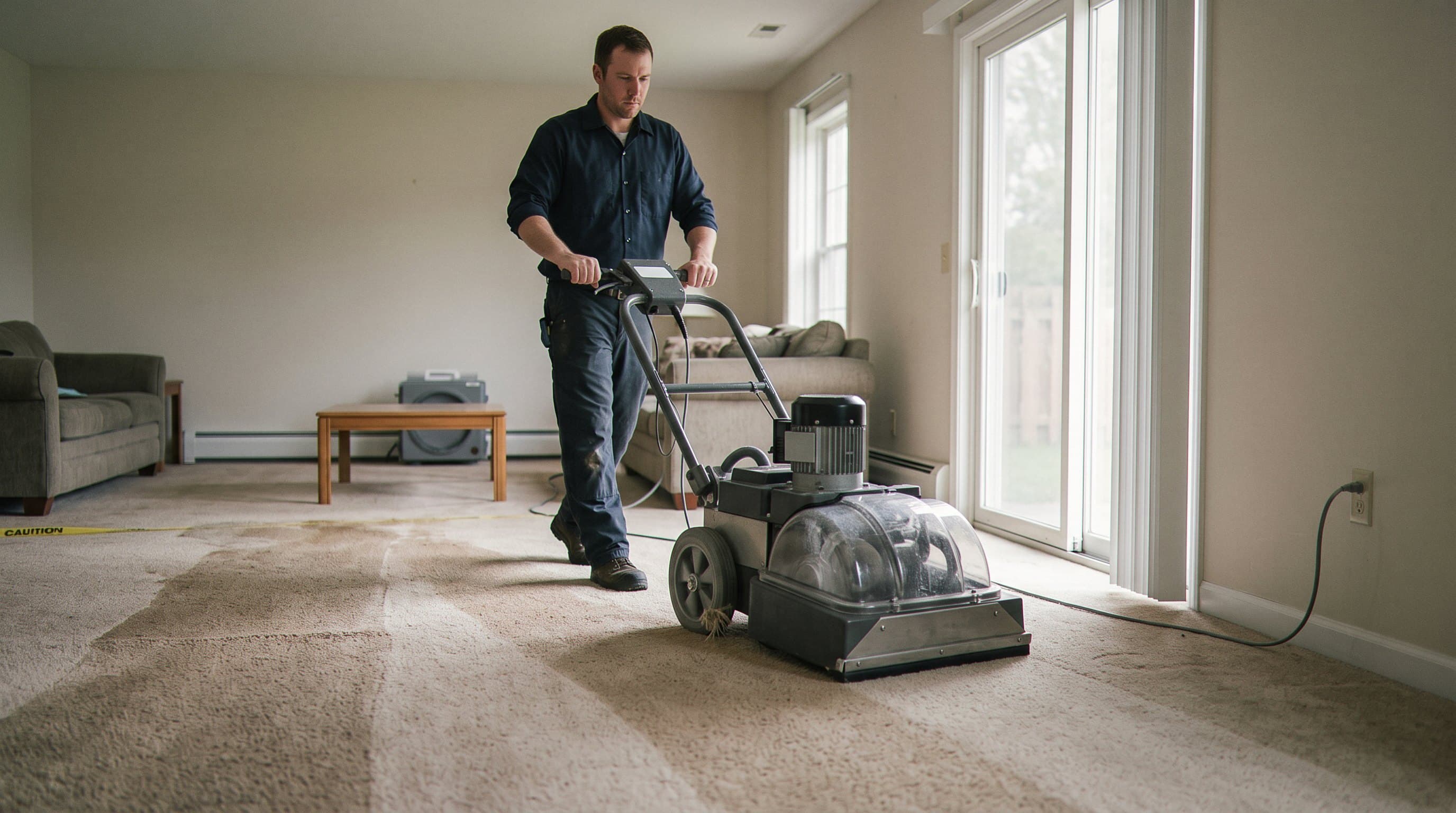
Technician operating handheld extraction device
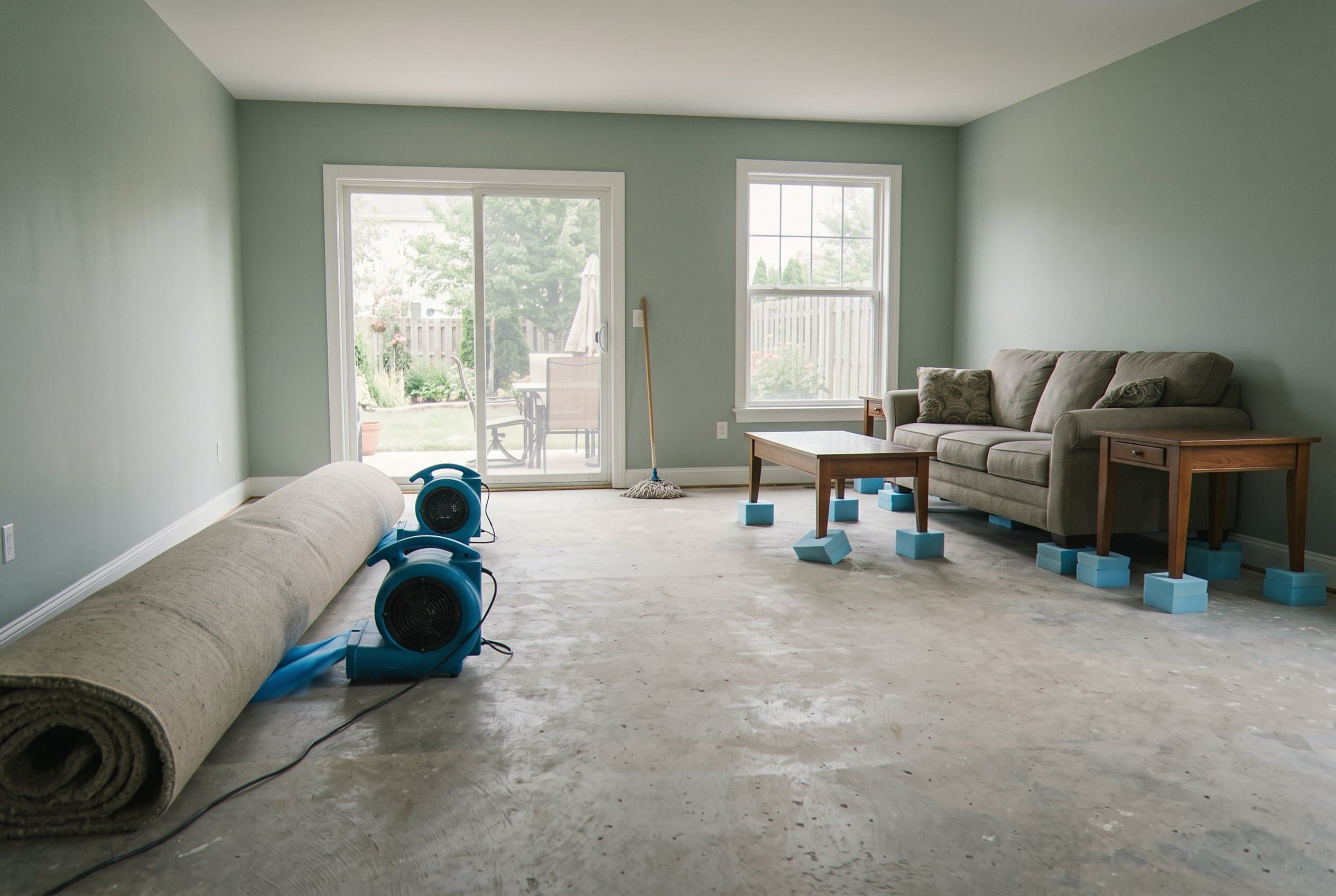
Saturated carpet pad after water intrusion
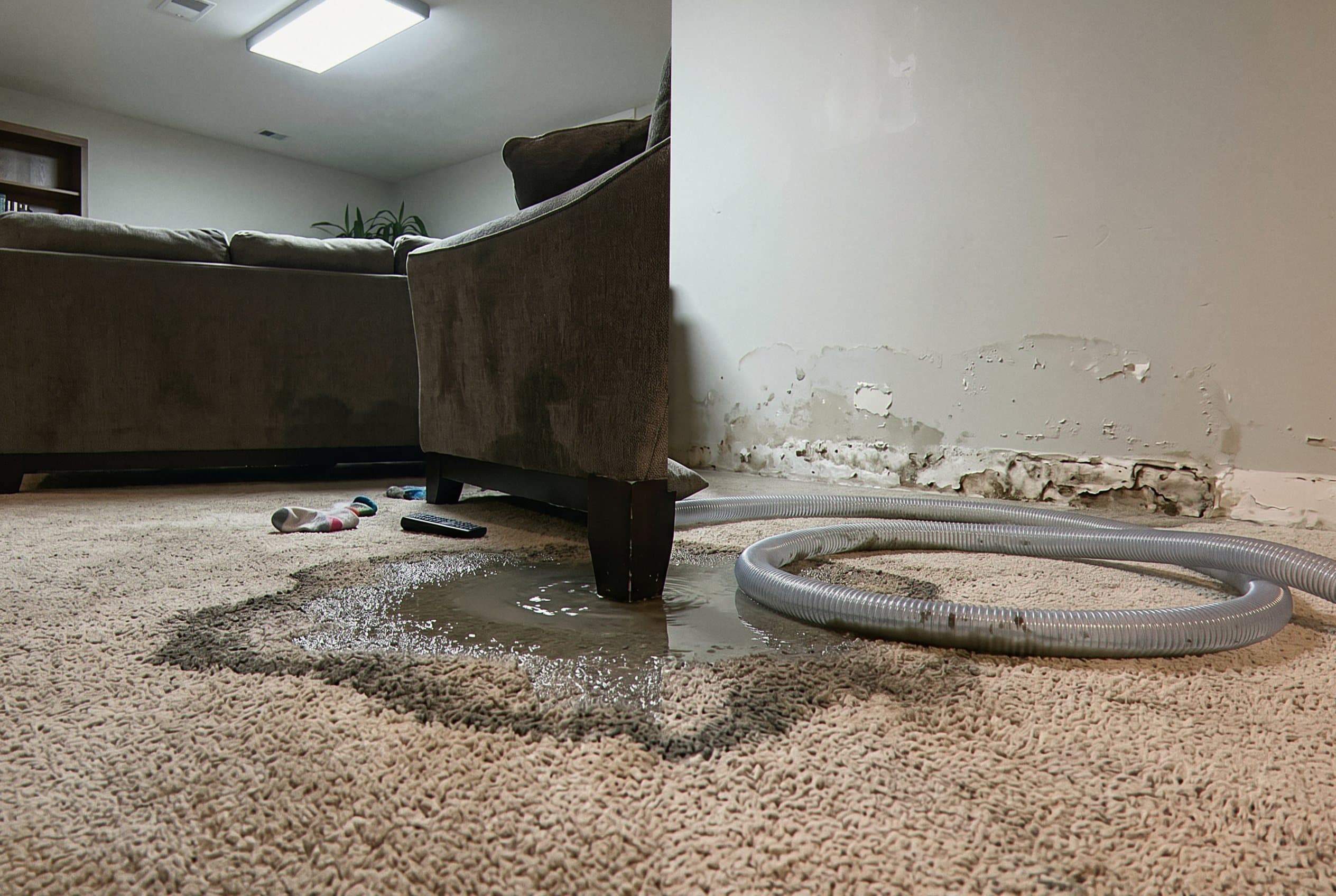
Extraction hose removing water from carpet
What we install

How we get standing water out of your home

Standing water does not wait. In the first hour it wicks up baseboards, slips under your hardwood, and soaks the pad below your carpet. We answer the phone, learn what you are dealing with, and head your way. Our crew works across Lynn and the rest of Essex County, from the Diamond District down to the harbor. When you call, you talk to the people who will be doing the work.

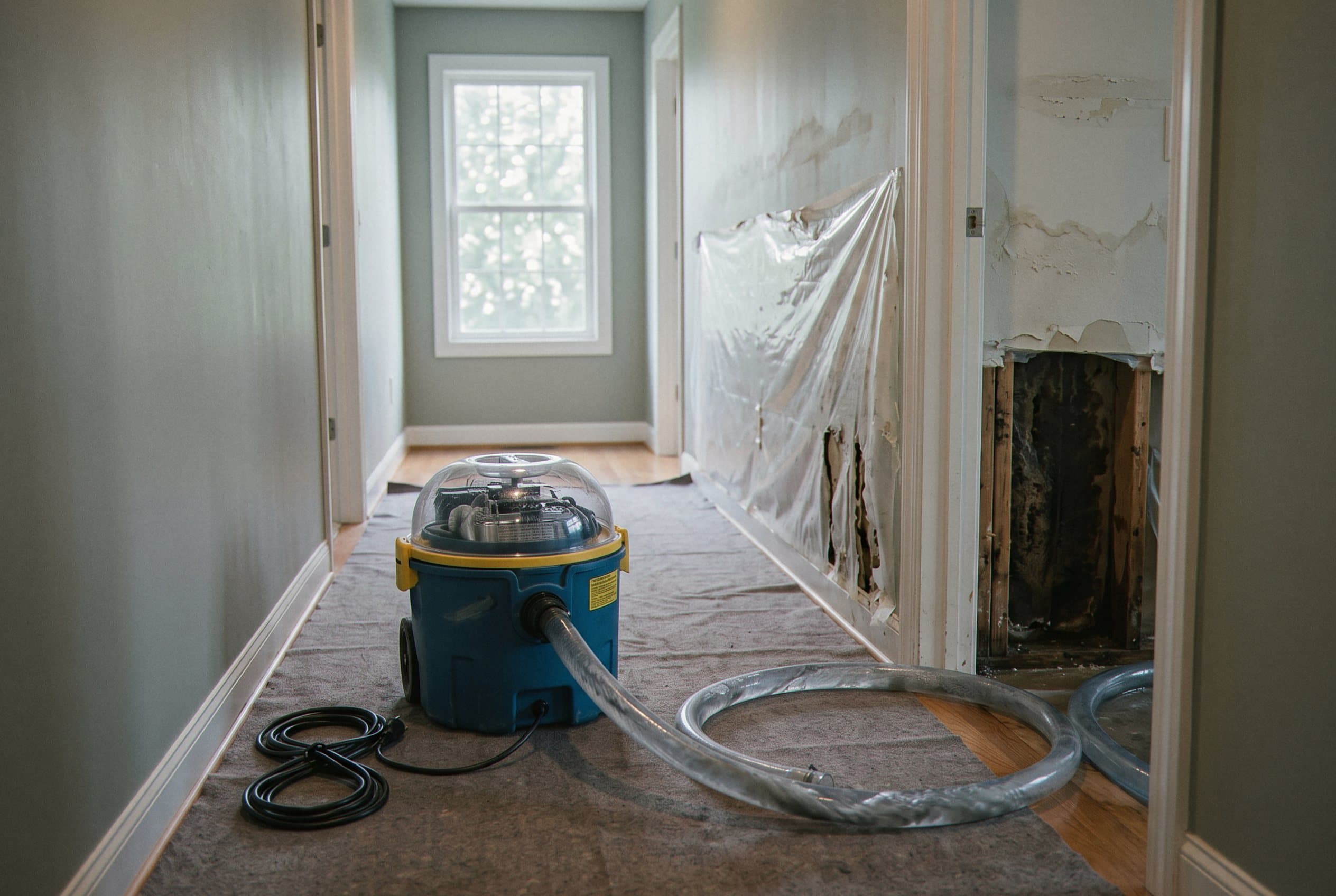
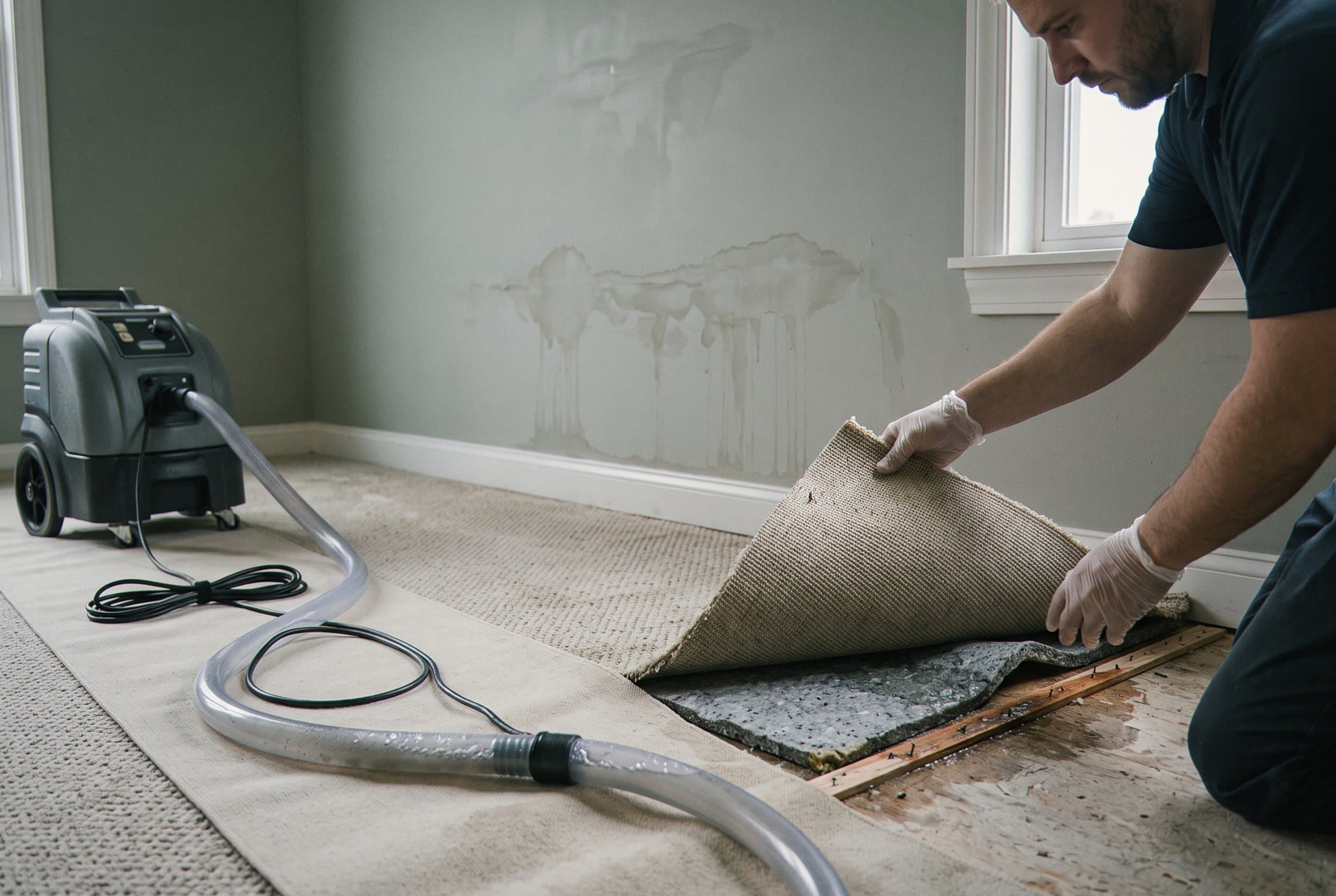
Every job starts with a quick read of the room. We trace where the water came from and where it traveled. Then we choose the right tool for the surface. A submersible pump moves deep water out of a flooded basement, while a powerful extractor pulls the trapped water from your carpet, the padding beneath it, and the hidden seams of the subfloor where moisture loves to settle and slowly rot the wood. We lift what we can, check under it, and keep going until the floor stops giving up water.

  • We answer day or night and head out fast across Lynn
  • Submersible pumps clear deep basement water in one visit
  • Extractors pull water from carpet, pad, and subfloor seams
  • Moisture meters tell us when a surface is truly dry
  • We document the loss so your insurance claim is easy to file
We do not leave until the meter says the floor is dry, not just the surface you can see.

Speed matters, but so does knowing when to stop. We do not just suck up the puddle and leave. We pull back carpet to check the pad. We probe the subfloor with a meter. We look behind the kick plate of your cabinets, because water hides where you cannot see it. The North Shore stays damp for much of the year, so any water we miss can turn into mold within a couple of days. That is why we measure instead of guess.

If you have water on the floor right now, the smartest move is to call before it spreads. We will tell you what to do in the meantime, then get a crew to your door. Lynn weather can turn a small leak into a soaked room overnight, and we would rather start tonight than gut a wall next week.
Materials

The gear we bring and why it matters

Water extraction lives and dies by the pump. The wrong tool leaves water behind, and water behind walls is what wrecks a home. So we bring a range of equipment and match it to your loss. For a basement under several inches, we run a submersible pump that moves water out by the gallon. For carpet and pad, we use a heavy extractor that pulls moisture from deep in the fibers. For tight spots and stair edges, we switch to a smaller wand.

None of this gear is magic. It only works when the person running it knows where water goes, where it pools, and how to chase it across a floor before it climbs into the framing of a room. Our crew has pulled water out of homes all over Lynn, from old triple deckers near downtown to single family houses up by Pine Grove. We read the floor, pick the tool, and check our work with a meter. That last step is the one most people skip, and it is the one that keeps mold out of your walls.

  • Submersible pumps for deep basement water
  • Heavy extractors for carpet and padding
  • Compact wands for stairs and tight corners
  • Moisture meters to confirm the floor is dry
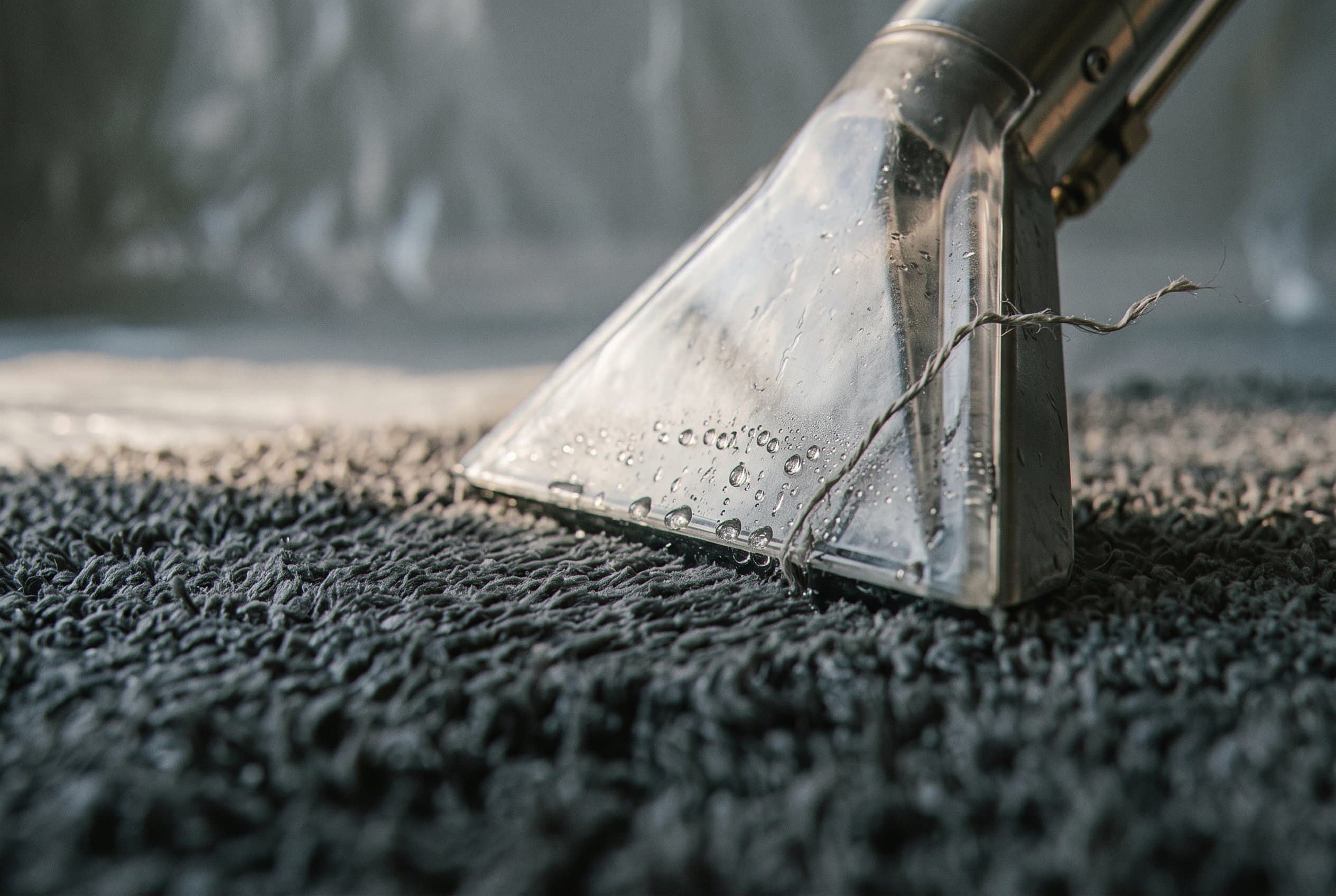
Commercial water extraction pump running
Water removal in progress in finished room
What about the alternatives?

Ways to get water out, and what we actually reach for

People ask if they can handle extraction themselves. Sometimes a little water on a tile floor is a mop job. But once water reaches carpet, wood, or the basement, the tools you have at home fall short. Here is how the common options stack up.

Truck powered extraction

Our heaviest setup pulls water from carpet, pad, and subfloor in one pass. This is what we lean on for a real flood.

Recommended

Submersible pump

The right call for a basement holding inches of water. It moves volume fast, then we switch to extractors for what is left.

Recommended

Wet and dry shop vacuum

Fine for a small spill you catch right away. It clogs and overheats on a true flood, and it cannot reach the pad.

Acceptable

Towels and a mop

Useful while you wait for us on a surface puddle. It does nothing for water that has already soaked into the floor.

Acceptable

Box fans alone

Air movement helps dry a damp spot, but blowing air over standing water just spreads the damage and the smell.

Skip

Wait and see

The most expensive choice of all. Every hour water sits, it climbs higher and the repair gets bigger.

Skip
How it goes

From quote to walk-on, fast.

01

Inspect and assess

02

Extract the water

03

Dry and dehumidify

04

Clean and restore

Before you book

Worried about something? Here is the straight answer

We hear the same honest concerns on most calls. None of them are silly. Here is how we think about each one.

Can I just let it dry on its own?
On a small surface spill, maybe. Once water reaches carpet, wood, or the basement, drying on its own is too slow. Lynn air holds moisture, so trapped water turns into mold long before the floor feels dry to the touch. Pulling it out now is cheaper than fixing rot later.
Do you really need to pull up my carpet?
Only where the pad is soaked. The carpet on top can often be saved, but the pad under it acts like a sponge. We lift a corner, check the pad, and pull what is wet. If it dries fast and clean, we lay it back.
How much water is too much to handle myself?
A good rule is the depth of a coin. Anything past a thin film, or any water on carpet or near the basement, is worth a call. The risk is not the water you see. It is the water that already slid under the floor.
How fast can a crew reach my home in Lynn?
We move fast because water moves fast. When you call, we get a read on the loss and head your way, whether you are near the harbor, in the Highlands, or out toward Lynnfield. We would rather start tonight than open a wall next week.
Will you make a mess pulling the water out?
We work clean. We lay down protection, route hoses through the shortest path, and haul the water out, not across your living room. When we leave, the standing water is gone and the area is set up to dry.
What if the water came back after I mopped?
That usually means the source is still active or the floor is still holding water underneath. We find the source, stop the flow if we can, and extract what the floor is hiding. A dry surface over a wet subfloor is a problem waiting to grow.
Aftercare

After the water is out, here is how to keep it that way

Extraction is step one. Keeping the space dry is the part that protects your home for the long haul, and most of it comes down to small habits you can build into the seasons without spending much at all. These habits head off the next call. They matter most in Lynn, where coastal damp and old basements give water plenty of ways back in.

  • Run a dehumidifier in the basement through the muggy months
  • Keep gutters clear so storm water flows away from the house
  • Check around the water heater and washer hoses every season
  • Seal small foundation cracks before the next heavy rain
  • Know where your main water shutoff is, and test that it turns
  • Call at the first sign of water, not after it spreads
Dry carpet after complete extraction
FAQ

Water extraction questions Lynn homeowners ask

Ready when you are

Ready for a real Lynn floor?

Send a few photos or book a free 15-minute on-site walk-through. A fixed written quote within one business day.

Get a free quoteCall (339) 500-6770
CallFree Quote