
Water Damage Repair & Reconstruction · Lynn

Water Damage Repair and Reconstruction in Lynn, MA

The water is out and the room is wrecked. We take it back to sound framing, prove it is dry, then rebuild the drywall, trim, and floors so the space looks like it did before.

Free Quote

Free Water Damage Repair & Reconstruction quote.

We reply within 1 business hour. No spam, ever.

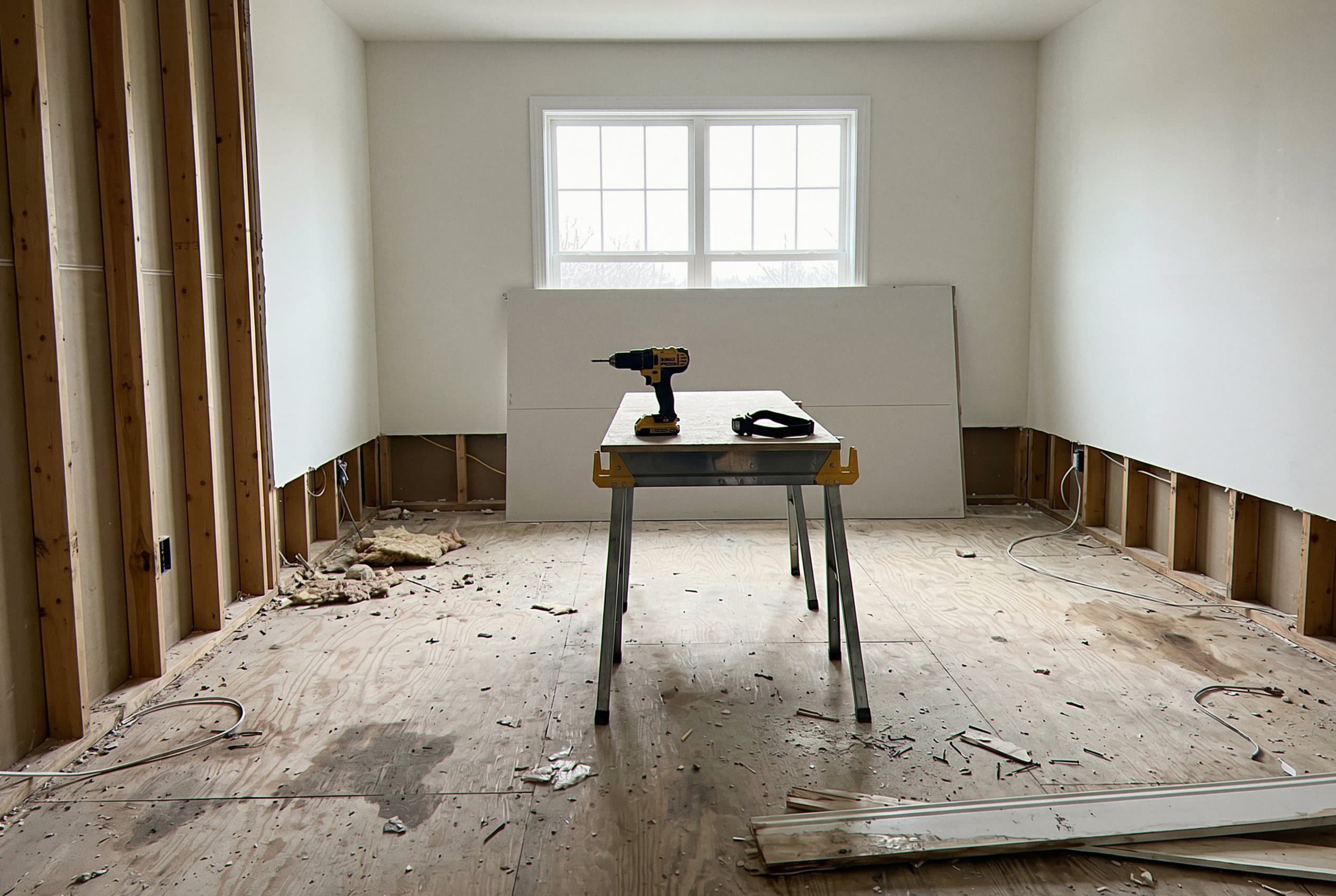
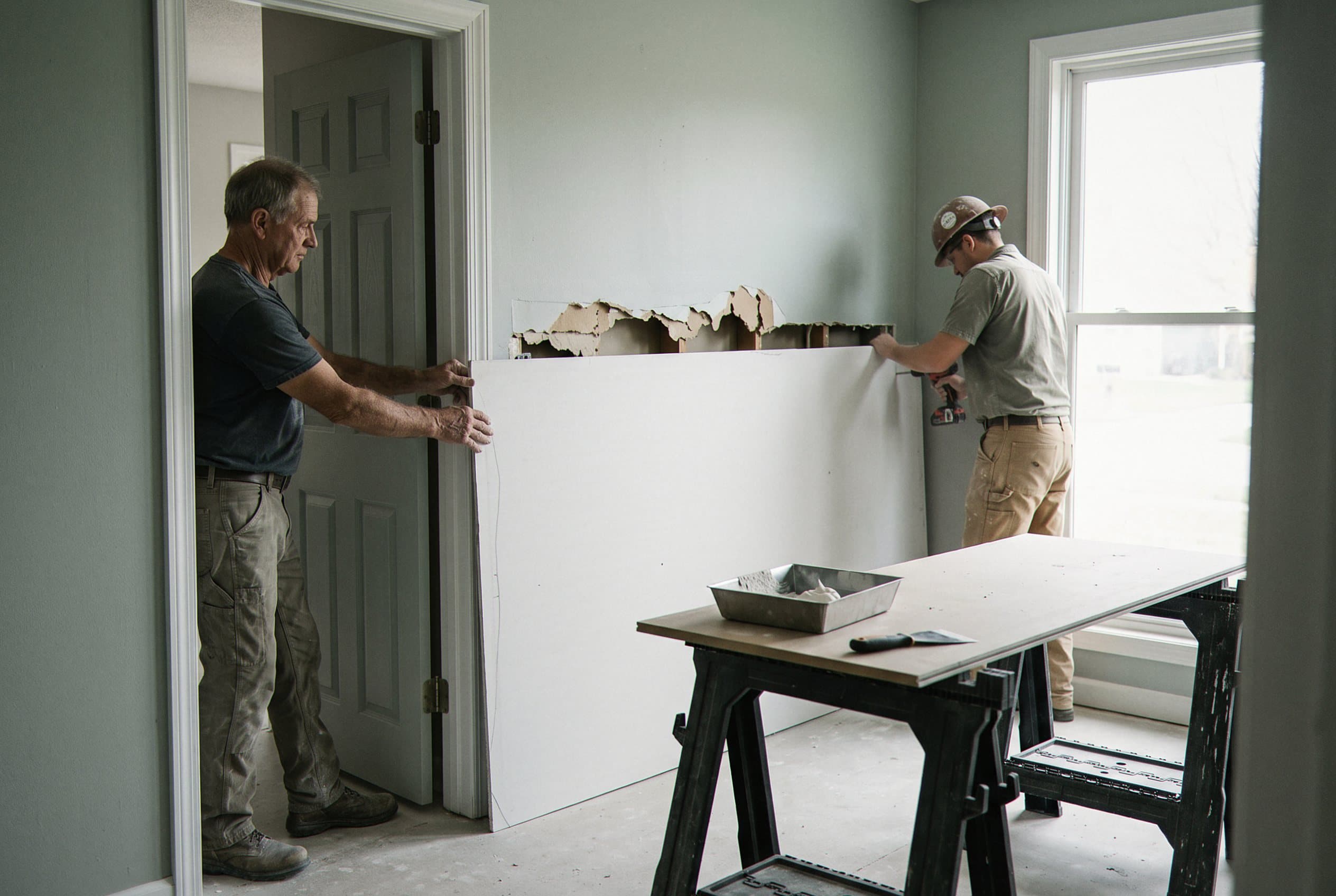
Technician hanging new drywall in room
Warped flooring from prolonged water exposure
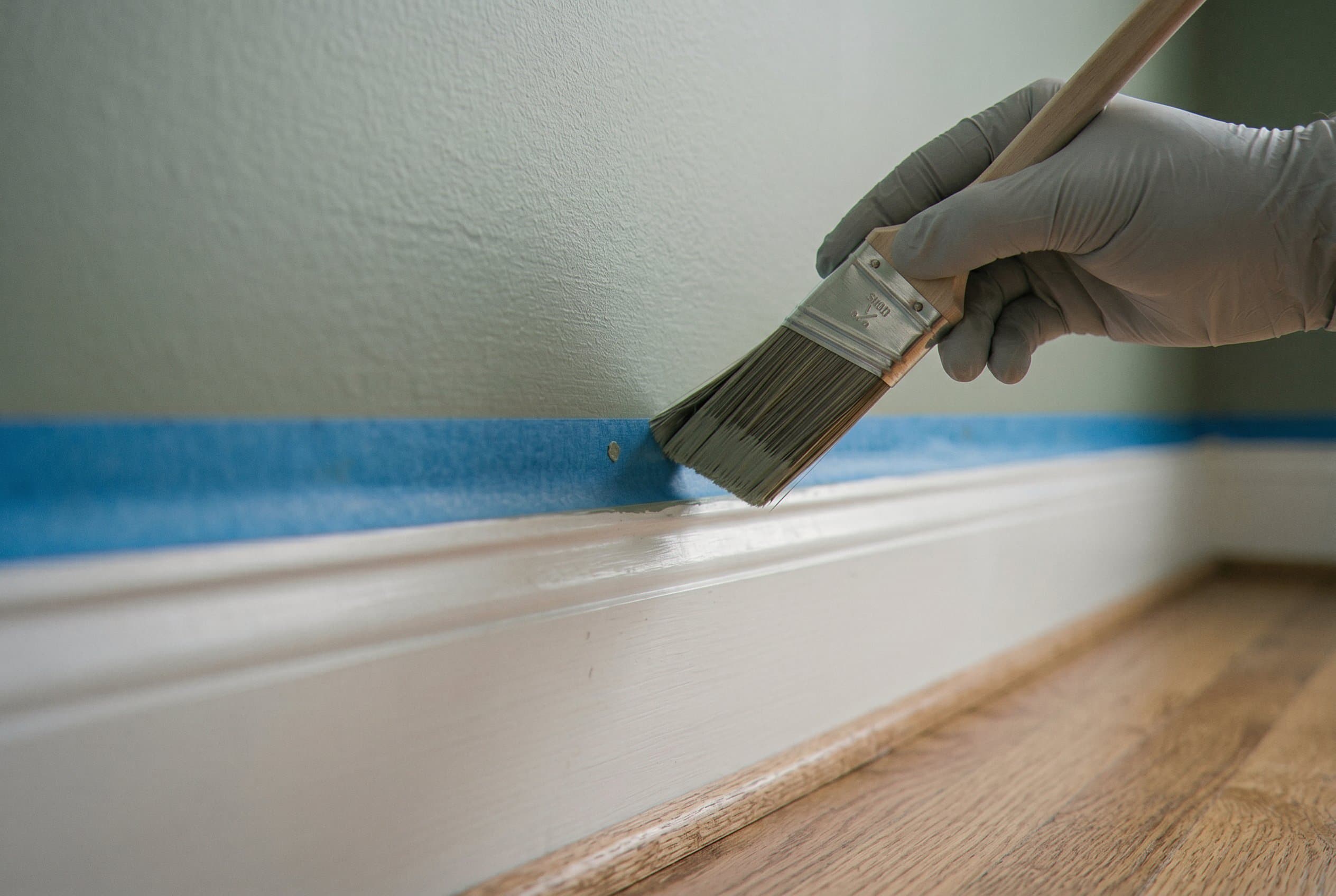
Close-up of drywall replacement in progress
What we do

We put Lynn homes back together after the water is gone

Getting the water out is only the first half of this. What it leaves behind is a room you cannot use. Swollen baseboard, stained ceilings, a floor that cups and lifts, insulation holding damp like a sponge. Our crew handles that second half. We take the room down to sound framing, prove it is dry, then build it back so it matches the rest of your house. In Lynn, this damage tends to start one of two ways. A supply line lets go behind a wall during a January cold snap and soaks two floors before anybody wakes up, or a hard nor'easter pushes water in off the street and the cellar fills from the ground up. We see both. Homes near Lynn Shore Drive and along the Saugus River get the second kind more often than people expect. Either way, the water is gone by the time we start. The wreckage it left is what we fix.

We work in a set order, so nothing gets sealed up wet. Tear out comes first. We cut the soaked drywall out above the water line, pull ruined insulation, lift buckled flooring, and haul all of it to the curb. Plastic goes up at the door so dust stays in the work area. Then we prove the framing and the subfloor are dry with a meter, not a guess. That step follows the IICRC S500 standard. Most people skip it. If the studs still read wet we keep drying, and you hear why the schedule moved instead of us quietly closing a wall on a number we do not like. Only then do we rebuild. New board goes up, seams get taped and mudded, then primer and paint. We set fresh baseboard and casing, then lay flooring that carries the same look as the rooms around it. You will know what we found, what we swapped out, and what is left before we ever pick up a roller.

  • One crew, start to finish. We tear out, we rebuild, we paint, so you are not chasing three trades around your own house.
  • We match the new wall texture, the trim, and the floor to what your house already has.
  • Framing and subfloor read dry on a meter before a single sheet of board goes back up, which is what keeps mold out of that wall later on.
  • A straight scope. What we save, what has to go, and why.
  • We know how water moves through old Lynn housing, from a wet cellar wall to a stain that shows up two floors above it.
When we are done, nobody walking into that room should be able to tell where the water was.

Most of what we rebuild here is old. Lynn has block after block of two family homes, triple deckers, and Victorians up in the Diamond District that were framed long before anyone thought about vapor barriers. Plaster over wood lath holds moisture in a way modern board never does. It can look dry on the surface while the lath behind it stays soaked for weeks. So we treat plaster walls differently. In a finished cellar the water comes up, not down, and the damage runs along the bottom two feet of every wall. Upstairs it is the opposite. A pipe in an exterior wall freezes, splits, and sends water down through the ceiling, the joist bays, and into the room below. Same house, two completely different repairs. We plan around the path the water actually took. Then we open the spots it likes to hide in, behind casing, under thresholds, and inside the cavity where nobody looks.

If water has already torn up a room in your Lynn home, call us and we will come look at it. We will walk the space with you, tell you what is worth saving, and lay out how the rebuild would go and how soon our crew can start. No pressure on the phone and no runaround. One local team, from the first cut to the last coat of paint. Our line is open, so reach out whenever you are ready.
Materials

What we put back, and what we check first

Rebuilding after water is mostly about picking stuff that fits the room and the risk sitting in it. Take a cellar that has flooded once. Along the bottom of that wall we skip paper faced board and put up a panel built to take damp. Under it we like a treated bottom plate and a small gap off the slab, so the next inch of water has nowhere to wick. Floors work the same way. Solid wood in a Lynn cellar is a bad bet, no matter how good it looks the first year. Vinyl plank and tile both shrug off damp far better, and either one can be lifted and dried out if this ever happens again.

Above grade the rules loosen up. Up there we can go back with standard board, real wood trim, and whatever flooring matched the house before. What matters more is the cavity behind the finish. Insulation that soaked through never fully recovers, so it comes out and gets replaced rather than dried in place. We also screen for lead and asbestos before we cut into anything built before 1978. Lynn housing is old enough that it comes up, and the EPA rules on that work are not optional. If a test comes back positive, you hear it from us before a saw touches the wall, and we handle the material the way the rule requires.

  • Board built to take damp on any wall that has already been under water.
  • A treated bottom plate, held up off the slab, so the next inch of water has nowhere to wick.
  • Vinyl plank or tile below grade. Wood belongs upstairs.
  • Meter readings on framing and subfloor before we close a wall, the way the IICRC S500 standard lays it out.
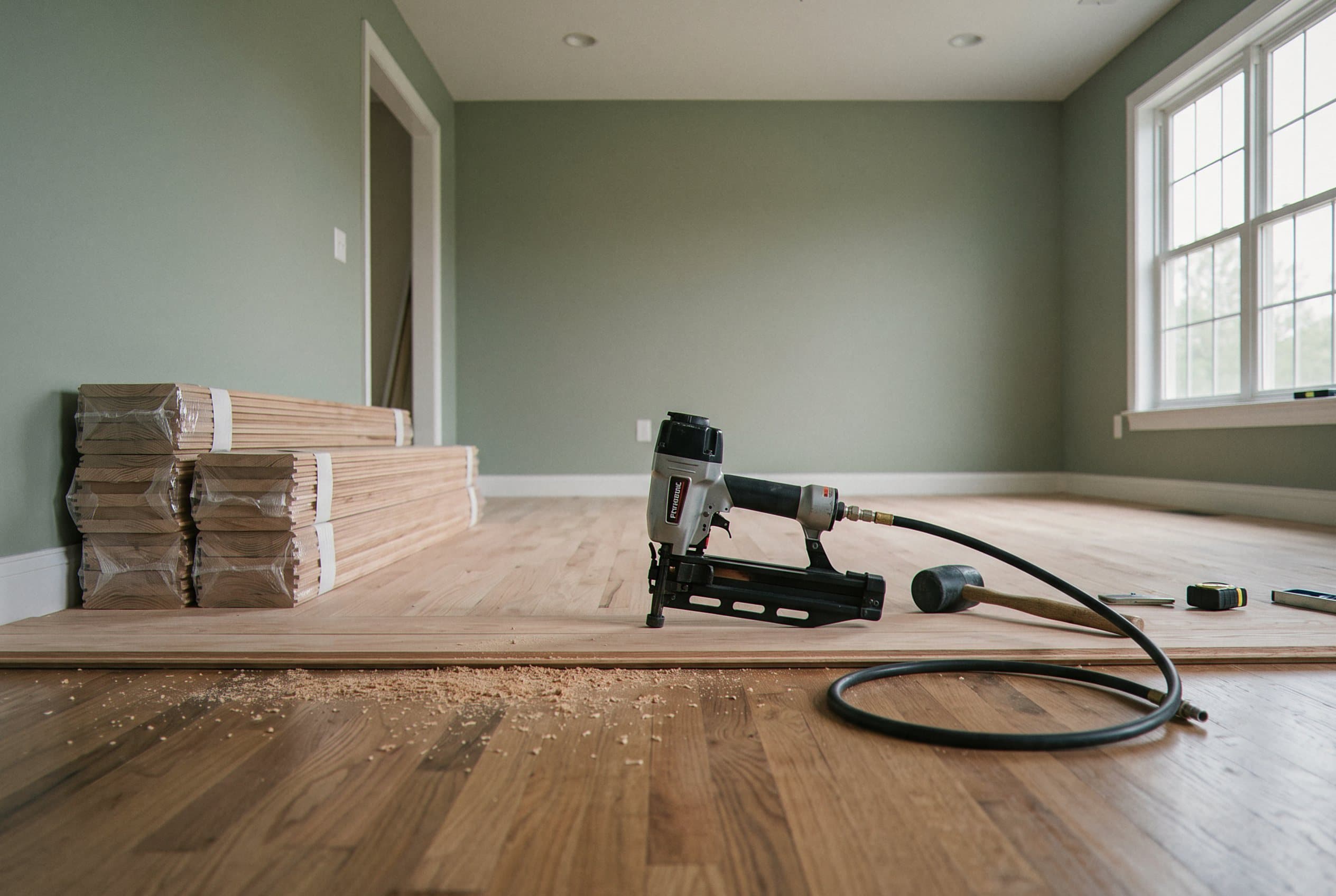
Tools and materials for reconstruction work
Active reconstruction and finishing work
What about the alternatives?

Six ways people handle a water wrecked room

There is more than one way to deal with a room the water tore up. Some of them work. Some of them cost you the same job twice. Here is how we read the common choices, based on walls we have opened back up months after somebody else closed them.

Full tear out and rebuild by one crew

Damaged material comes out, the framing gets dried and read on a meter, then the room goes back together in one straight run. Nothing wet gets buried. One number to call.

Recommended

Dry in place, then repair the finish only

Fine when the water was clean and you caught it inside a day. Past that, the cavity holds damp and you end up cutting the same wall open again come spring.

Acceptable

Replace the flooring now, wait on the walls

Reasonable if the work has to be staged. The wall still has to read dry first, and if you go in the wrong order that brand new floor comes right back up.

Acceptable

Do the tear out yourself, hire out the rebuild

Saves labor. It works if you are careful about containment and disposal, though the real risk is cutting into lead paint or old insulation with no idea what is sitting in that wall.

Acceptable

Paint and caulk over the stains

Covers a stain for a few weeks. Then the odor comes back, the tape line bubbles, and any moisture still in the cavity keeps working on the framing behind it.

Skip

Leave the wall open all winter and let it air out

A cold cellar with one fan does very little once the damp air settles in. Meanwhile the torn open framing and the mess stay part of your house for months. Nobody wants that.

Skip
How it goes

From quote to walk-on, fast.

01

Inspect and assess

02

Extract the water

03

Dry and dehumidify

04

Clean and restore

Before you book

The questions we get asked most

Reconstruction is the part of a water loss where most people have no reference point. They have never bought drywall or matched a floor before. So here are straight answers to what comes up on almost every call.

Do I really need to open the wall, or can it just dry?
Depends on what the meter says. Clean water caught fast can sometimes dry in place with the baseboard off and air moving through the cavity. Once it has sat overnight, or once it came up off a cellar floor, the insulation and the back of the board hold damp that no fan reaches. That is when it comes out.
How long does a rebuild take?
It moves in stages, and drying sets the pace. Demolition is usually quick. Then the framing has to read dry before anything closes, and that part we do not rush. Once we start putting the room back, board, paint, trim, and flooring each want their own day or two. We give you the stages up front so you are not guessing.
Will the new work match the rest of the house?
That is the whole point of doing it right. We match the wall texture, the profile of the casing and base, and the floor as closely as the room allows. In an older Lynn home with plaster and odd trim, we will source or mill a profile to fit rather than dropping in a modern stock piece that stands out from across the room.
Can you work with my insurance company?
Yes. We document what we find with photos and moisture readings, and we write the scope in the same line item language adjusters read every day. You still own the claim and every decision in it. We just make sure what we found inside your walls ends up on paper in a form your adjuster can actually work from.
What if there is mold behind the wall?
If we open a cavity and find growth, we stop and deal with it before any rebuild starts. Wiping it and closing the wall is how it comes back. Containment goes up, the affected material comes out, the area gets cleaned, and we verify before new board goes on. The IICRC has a standard for exactly this and we work to it.
Can I stay in the house while you work?
Most of the time, yes. We contain the work area, run air scrubbers where they help, and keep the path in and out covered. If the damage hit a kitchen or the only bathroom, it gets harder, and we would rather tell you that up front than have you find out on day three. We plan the order around what you need to keep using.
Aftercare

Keeping the same room from flooding twice

A rebuild is a good moment to fix whatever let the water in, because the wall is already open and nothing is in the way. We would rather spend an hour on that than come back next winter. Most repeat losses we see in Lynn trace to the same short list, and none of it is exotic. It is a sump nobody ever tested, a supply line nobody replaced, or an exterior wall with a pipe in it and no insulation behind it. Here is what we tell people to stay on top of once we hand the room back.

  • Test the sump pump before every wet stretch. Keep a spare in the box if the cellar is finished.
  • Swap the braided supply lines under sinks, toilets, and the washer on a set schedule.
  • Wrap any pipe that runs through an outside wall or a cold cellar bay before the first hard freeze, because that is the one that splits at two in the morning.
  • Keep gutters clear and the ground sloping away.
  • Run a dehumidifier below grade all summer. Hold the room under sixty percent.
  • Learn where the main shutoff is. Everyone in the house should be able to find it in the dark.
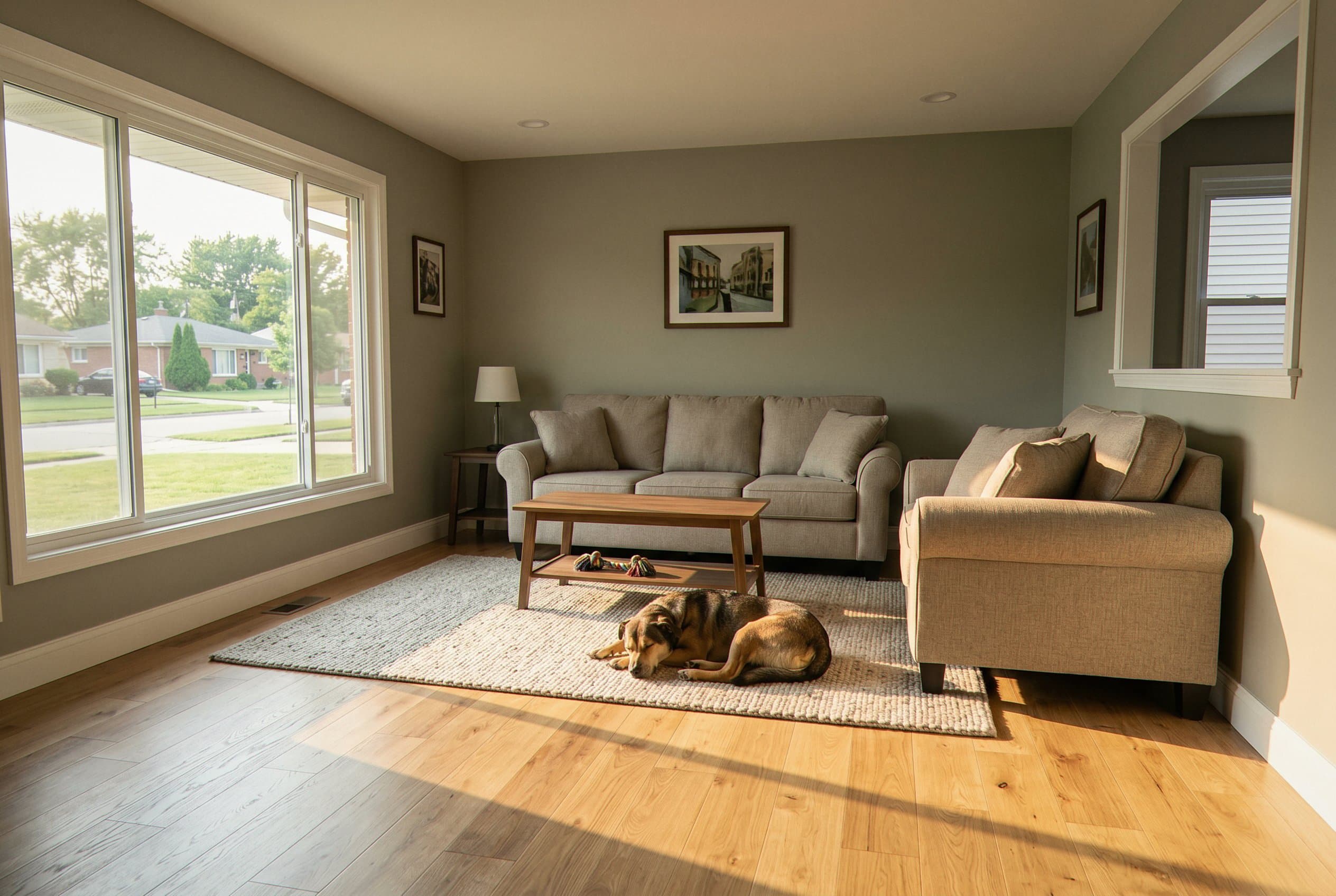
Fully repaired room matching original condition
FAQ

Repair and reconstruction questions from Lynn homeowners

How fast can you get to my Lynn home?
Our line is open around the clock, including through a storm when everyone calls at once. Rather than promise a minute count that a nor'easter would make meaningless, we tell you where the crew is coming from and when they are rolling, and we walk you through shutting things down while you wait.
What should I do before you get here?
Find the main shutoff and close it if you can do that without standing in water. Keep away from the panel and from anything plugged in low to the floor. Photograph the rooms before you move anything, then start lifting what you can off the wet floor, because furniture legs stain carpet and pad within hours.
Will you deal with my insurance company?
We write the file the way an adjuster reads it. Daily moisture logs, photographs of each affected room, and a scope that says what was removed and why. We speak with your adjuster directly. Coverage itself is your carrier's call, and we will never tell you a claim is covered when we do not know that.
How long will the equipment be running?
Three to five days covers most of what we see. Old plaster, and the fieldstone foundations under a lot of Lynn's older houses, hold moisture longer than modern framing does, so those can run a day or two past that. We read the material every day against the IICRC dry standard, and the readings decide when we pull out.
Am I going to end up with mold?
Wet material left alone starts growing in roughly 24 to 48 hours. That window is the entire reason we care about getting there the same day rather than the next morning. Dried properly and quickly, most losses never develop it at all.
Ready when you are

Water in your Lynn home?

Call now or send the form. We answer fast and tell you exactly what happens next.

Get a free quoteCall (339) 500-6770
CallFree Quote